
The global dementia epidemic demands tailored care models for older adults. Elderly Companion Services address physical, emotional, and social needs, providing companionship, task assistance, and medication management. Personalized care plans based on individual preferences and family involvement improve quality of life. These services integrate medical care, therapeutic interventions, and community resources, reducing agitation, improving well-being, and offering caregiver respite. Implementation requires careful matching of companions based on interests, cultural backgrounds, and physical abilities, with active caregiver involvement. Elderly Companion Services enhance lives and foster supportive communities by connecting patients and families to tailored resources, including educational workshops and technology like virtual reality therapy. Caregivers should stay informed, explore online support groups, and maintain open communication with healthcare providers.
Dementia, a devastating condition affecting millions globally, necessitates robust support systems for those diagnosed and their families. The challenges posed by dementia, particularly in its advanced stages, demand specialized care that goes beyond medical intervention. Elderly Companion Services emerge as a crucial pillar in this landscape, offering holistic assistance tailored to the unique needs of individuals with dementia. This article delves into the intricate world of these services, exploring how they alleviate burdens, enhance quality of life, and provide invaluable support for both patients and their loved ones.
- Understanding Dementia Care Needs of Elderly
- The Role of Companion Services in Dementia Support
- Accessing and Navigating Available Resources for Dementia Patients
Understanding Dementia Care Needs of Elderly

Understanding the unique care needs of the elderly is paramount when addressing dementia support services. As the population ages, the demand for specialized assistance grows, with approximately 50 million people worldwide living with dementia as of 2021 (World Health Organization). This figure underscores the imperative need for tailored care models that cater to the specific requirements of older adults affected by cognitive decline. Dementia care is not one-size-fits-all; it demands a nuanced approach that considers the individual’s physical, emotional, and social well-being.
Elderly Companion Services emerge as a vital component in meeting these diverse needs. These services provide a supportive environment, offering companionship and assistance with daily tasks. For instance, trained companions can help with medication management, ensuring adherence to complex regimens, which is crucial for maintaining the health of individuals with dementia. Moreover, they facilitate social engagement, combating the isolation often associated with cognitive decline. Regular conversations, leisure activities, and even simple acts of companionship can significantly improve quality of life and slow the progression of symptoms.
Practical insights into implementing effective support systems include personalizing care plans to reflect individual preferences and life histories. For many elderly individuals with dementia, familiar routines and surroundings offer comfort and a sense of security. Family involvement is another critical aspect, as they can provide valuable insights into their loved ones’ personalities and needs before cognitive decline sets in. This knowledge enables more effective care strategies and fosters a smoother transition as the disease progresses. Ultimately, understanding and addressing the complex dementia care needs of the elderly requires a multifaceted approach, with Elderly Companion Services playing a pivotal role in enhancing their overall well-being.
The Role of Companion Services in Dementia Support
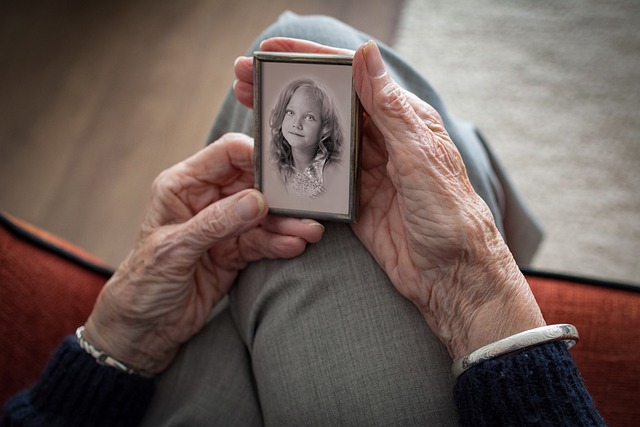
The support ecosystem for individuals living with dementia is multifaceted, encompassing medical care, therapeutic interventions, and various community services. Among these, Elderly Companion Services play a pivotal role in enhancing the quality of life for those affected by this debilitating condition. These services offer not just companionship but also practical assistance, enabling seniors to maintain their independence and dignity.
Elderly Companion Services provide a range of benefits tailored to the unique needs of individuals with dementia. From helping with daily tasks like meal preparation and medication management to offering emotional support and engaging in meaningful activities, companions ensure a sense of security and belonging. For instance, studies have shown that regular companionship can significantly reduce agitation and aggression in people with Alzheimer’s disease, improving their overall well-being. Moreover, companion services allow caregivers to take much-needed breaks, preventing caregiver burnout and enhancing the care they provide.
Implementing these services requires careful consideration of individual preferences and abilities. Expert professionals match companions with clients based on shared interests, cultural backgrounds, and physical capabilities. This personalized approach ensures that the support provided is not just practical but also emotionally enriching. Caregivers and families should actively involve themselves in this process, ensuring a comfortable fit for both parties. By embracing Elderly Companion Services, we not only improve the lives of the elderly with dementia but also create a more supportive and inclusive community.
Accessing and Navigating Available Resources for Dementia Patients

Accessing and navigating available resources for dementia patients is a complex yet crucial task for caregivers and families. With an estimated 50 million people affected globally, according to the World Health Organization (WHO), understanding the spectrum of support services can be overwhelming. Elderly Companion Services play a vital role in this landscape by providing personalized assistance tailored to the unique needs of individuals with dementia. These services offer more than just companionship; they serve as a compass, guiding patients and their loved ones through various resources.
Caregivers often face challenges in identifying suitable support options, ranging from medical care to social activities. Professional Elderly Companion Services step in by offering comprehensive assessments and connecting families with specialized programs. For instance, local community centers may host memory care groups, while government initiatives provide financial aid for in-home care. Navigating these resources efficiently requires expertise. Companion services facilitate access by keeping up-to-date databases of available programs, ensuring patients receive the best fit for their stage of dementia.
Practical advice includes maintaining open lines of communication with healthcare providers and exploring online directories for local support groups. Many companion services also provide educational workshops to empower caregivers with knowledge about dementia management. Additionally, leveraging technology offers innovative solutions; virtual reality therapy, for example, has shown promise in improving cognitive function and quality of life. By staying informed and utilizing available resources, Elderly Companion Services contribute significantly to enhancing the lives of those affected by dementia.
By understanding the unique care needs of the elderly with dementia and leveraging the support offered by Elderly Companion Services, we can significantly enhance their quality of life. The role of companion services is pivotal in providing emotional support, assisting with daily tasks, and offering a sense of companionship that alleviates isolation. Accessing available resources, including community programs, financial aid, and care facilities, is crucial for ensuring comprehensive dementia care. This article highlights the importance of navigating these services proactively, fostering a supportive environment, and recognizing the transformative impact of dedicated Elderly Companion Services in managing dementia-related challenges. The key insights offer valuable next steps for both caregivers and healthcare professionals to improve outcomes for those affected by this complex condition.