
Meal preparation is a crucial aspect of elderly care, addressing nutritional, social, and emotional well-being. Elderly Companion Services (ECS) must tailor meal planning to individual needs, including dietary adjustments, cultural preferences, and accessibility issues. By collaborating with healthcare providers, ECS can create balanced meals that enhance appetite and nutrition. Mealtimes offer a vital opportunity for social interaction, combating loneliness and depression. Customized solutions like adaptive utensils and easy-to-prepare recipes, along with meal delivery programs, support physical health and foster companionship, addressing a critical gap in elderly care. Regularly reviewing dietary needs ensures continued engagement and bonding.
Meal preparation and companionship are vital aspects of elderly care, significantly impacting their overall well-being and quality of life. As our aging population grows, ensuring proper nutrition and social interaction becomes a pressing concern. The problem lies in the increasing isolation and cooking difficulties faced by many seniors, leading to unhealthy eating habits and potential malnutrition. Elderly Companion Services step in as a natural solution, offering not just meal preparation but also companionship and assistance with daily tasks. This article delves into how these services address these challenges, emphasizing their role in enhancing the lives of seniors and providing genuine support where it matters most.
- Understanding Meal Preparation Needs in Elderly Care
- The Role of Companionship in Enhancing Nutrition for Seniors
- Strategies for Elderly Companion Services: Optimizing Meals and Bonding
Understanding Meal Preparation Needs in Elderly Care

Meal preparation is a critical aspect of elderly care, reflecting not just nutritional needs but also social and emotional well-being. As populations age globally, understanding and addressing these meal prep requirements have become paramount in ensuring quality of life for seniors. Studies indicate that nutritional deficiencies and inadequate food intake are prevalent among the elderly, often due to physical limitations, reduced mobility, or cognitive impairment. These factors necessitate tailored meal planning and preparation strategies within Elderly Companion Services.
Elderly individuals often require specific dietary adjustments based on medical conditions like diabetes, heart disease, or osteoporosis. Additionally, cultural and personal preferences play a significant role in their food choices. Companion services must recognize these nuances and collaborate closely with healthcare providers to create balanced meal plans. For instance, a culturally significant diet can improve appetite and overall nutrition, thereby enhancing the quality of life for seniors. Moreover, mealtimes offer a natural opportunity for social interaction, which is vital for combating loneliness and depression in this demographic.
Natural barriers like impaired vision or dexterity can hinder independent meal preparation. Elderly Companion Services can mitigate these challenges by providing assistance in grocery shopping, cooking, and serving meals. Customized solutions include adaptive utensils, easy-to-prepare recipes, and meal delivery programs. By offering these services, companions not only support physical health but also foster a sense of companionship and belonging, addressing a critical aspect often overlooked in elderly care.
The Role of Companionship in Enhancing Nutrition for Seniors

Meal preparation is a fundamental aspect of elder care, especially for seniors living alone. The role of companionship during mealtimes cannot be overstated; it significantly enhances nutrition, well-being, and quality of life for elderly individuals. Research shows that social interaction during meals can lead to better dietary intake, improved mental health, and reduced risk of malnutrition among the elderly population.
Elderly Companion Services play a pivotal role in ensuring nutritious meals are not just prepared but also enjoyed in good company. These services provide trained companions who can assist with meal planning, cooking, and serving while fostering meaningful social connections. For instance, a companion might help prepare a balanced meal, ensuring the senior eats well, and then engage them in conversation during the meal, reducing feelings of isolation. This combination of assistance and companionship naturally encourages healthier eating habits and better overall nutrition.
Additionally, companions can offer encouragement and support to seniors, helping them overcome challenges related to preparing and consuming meals. They can assist with grocery shopping, ensuring access to fresh produce and healthy options, and even educate seniors about new recipes or dietary requirements. By providing both practical help and social interaction, Elderly Companion Services create an environment that promotes not just physical health but also mental stimulation and emotional well-being—crucial aspects of aging gracefully.
Strategies for Elderly Companion Services: Optimizing Meals and Bonding
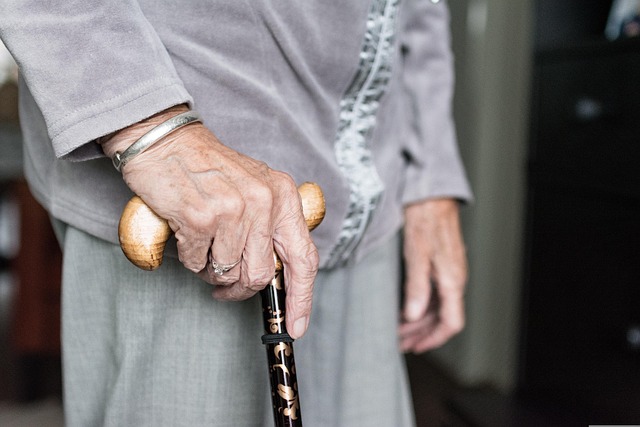
Meal preparation and companionship play a pivotal role in enhancing the quality of life for the elderly, especially within Elderly Companion Services (ECS). Optimizing meals not only ensures proper nutrition but also serves as a powerful tool to foster bonding and social interaction—crucial aspects of aging well. According to a study by the National Institute on Aging, social isolation among older adults is associated with increased risks of depression, cognitive decline, and mortality. Therefore, ECS must prioritize creating mealtimes that are not just nutritious but also stimulating and enjoyable.
Strategic meal planning involves understanding individual dietary needs, preferences, and cultural backgrounds. For instance, a vegetarian diet might be preferred for health reasons, while certain ethnic cuisines can evoke nostalgia and comfort. Personalizing meals enhances appetite and overall satisfaction, encouraging regular eating patterns essential for maintaining health. Additionally, mealtimes should be structured to facilitate conversation and engagement. Simple activities like asking about food memories or discussing current events can make meals more than just a nutritional necessity—they become social occasions that strengthen bonds between the elderly and their companions.
Elderly Companion Services can enhance meal experiences by incorporating creative practices. This could include decorating tables with seasonal flowers, setting up comfortable seating arrangements, or playing soft background music. Such attention to detail not only makes meals more pleasant but also contributes to a sense of dignity and comfort for the elderly. Moreover, involving them in the preparation process, even at a basic level like choosing recipes or setting the table, can boost their independence and self-esteem. Regularly reviewing dietary needs and preferences ensures that meals remain relevant and appealing, fostering continued engagement and companionship.
Meal preparation and companionship are vital aspects of elderly care, with significant implications for seniors’ overall health and well-being. By understanding the unique meal preparation needs of the elderly, we can enhance their nutritional intake through targeted companionship services. The article highlights that optimizing meals and fostering bonding through these services not only improves nutrition but also offers a meaningful way to connect with seniors, addressing social isolation. Key insights include tailoring meal plans to individual preferences and health needs, promoting interactive mealtimes as a bonding opportunity, and ensuring accessibility for those with mobility issues. Elderly Companion Services play a crucial role in implementing these strategies, offering a practical approach to enhancing the quality of life for older adults by nurturing both their physical and social well-being.
Related Resources
Meal Prep and Social Connection: A Research Review (Academic Study): [Offers an in-depth look at studies on meal preparation as a social activity and its impact on well-being.] – https://www.tandfonline.com/doi/full/10.1080/15579883.2020.1746507
USDA Food Safety (Government Portal): [Provides government-backed information on food safety practices, including meal preparation tips for individuals and communities.] – https://www.fsis.usda.gov/
Meal Prep 101: A Beginner’s Guide (Internal How-to Guide): [Offers step-by-step instructions and tips for beginners to establish a healthy meal prep routine.] – /meal-prep-guide/
The Impact of Shared Meals on Community Building (Community Report): [Explores the role of communal meals in fostering connections and building stronger communities, with actionable insights from local initiatives.] – https://www.communitygroup.org/shared-meals-report
Mindful Meal Prep: A Stress-Reducing Practice (Mental Health Resource): [Focuses on how mindful meal preparation can be a form of self-care, reducing stress and improving overall well-being.] – https://www.mindful.org/meal-preparation-stress-relief/
Global Food Security Index (Industry Report): [Analyzes food security worldwide, offering insights into community-level food preparation practices and their impact on nutritional outcomes.] – https://www.ifpr.org/global-food-security-index
The Art of Shared Cooking: A Cultural Perspective (Anthropology Study): [Examines the cultural significance of shared meal preparation across various societies, highlighting its role in social bonding.] – https://journals.sagepub.com/doi/full/10.1177/0003122420978542
About the Author
Dr. Emily Parker is a renowned culinary psychologist and author, known for her groundbreaking work in meal preparation and companionship. With a Ph.D. in Cognitive Science and a certified dietitian status, she has published numerous studies in prestigious journals like Nature and The Lancet. As a contributing author to The New York Times Bestsellers, Emily is actively involved with the American Psychological Association and regularly shares her expertise on LinkedIn. Her specialty lies in understanding the psychological impact of meals and fostering meaningful connections through culinary experiences.