
Elderly Companion Services enhance quality of life for seniors by offering companionship, assistance with daily tasks, and security. These services combat loneliness, improve physical and mental well-being, and delay the need for intensive care. Tailored care plans, personalized living environments, regular social interaction, and organized spaces further elevate the holistic care provided. Elderly Companion Services alleviate caregiver burdens, enabling them to focus on overall senior autonomy, dignity, and improved quality of life.
As the population ages, ensuring quality care for elderly loved ones at home has become a pressing priority. The demand for in-home care is rising, yet many families struggle to navigate the complexities of available options. This article delves into the crucial role of Elderly Companion Services as a comprehensive solution. By providing personalized assistance and companionship, these services not only support seniors’ daily lives but also enhance their overall well-being. We explore how expert caregiving can alleviate family burdens, foster independence, and improve the quality of life for our aging population.
- Understanding Elderly Care Needs: A Comprehensive Guide
- The Benefits of In-Home Companion Services for Seniors
- Creating a Supportive Environment: Tips for Family Caregivers
Understanding Elderly Care Needs: A Comprehensive Guide

Understanding the unique needs of elderly loved ones is a cornerstone of providing quality in-home care. As our population ages, ensuring appropriate support becomes increasingly vital. The journey of aging often brings physical and cognitive changes, along with complex emotional and social considerations. Caregivers must be equipped to navigate these challenges, especially when considering Elderly Companion Services. These services are designed to offer companionship, assistance with daily tasks, and a sense of security for the elderly, enabling them to maintain their independence in familiar surroundings.
A comprehensive guide to elderly care begins with recognizing the multifaceted nature of their requirements. For instance, mobility issues might necessitate modifications to the home environment to prevent falls. Cognitive decline, a common aspect of aging, requires patience and tailored strategies to maintain cognitive function and address memory-related challenges. Nutritional needs also shift, often demanding specific dietary adjustments to manage conditions like diabetes or cardiovascular diseases. Additionally, social engagement becomes critical; loneliness can negatively impact mental health, so encouraging social interactions through Elderly Companion Services can be transformative.
According to recent studies, home care services have been shown to improve overall quality of life for the elderly, allowing them to stay in familiar settings and maintain a sense of normalcy. A study published in the Journal of Gerontological Social Work (2021) highlighted that tailored companion services can significantly reduce feelings of isolation and enhance daily functioning. Caregivers play a pivotal role in assessing these needs, developing care plans, and ensuring consistent, compassionate support. By understanding the unique tapestry of each elderly individual’s life, caregivers can foster an environment that respects their autonomy, promotes dignity, and enhances their overall well-being.
The Benefits of In-Home Companion Services for Seniors
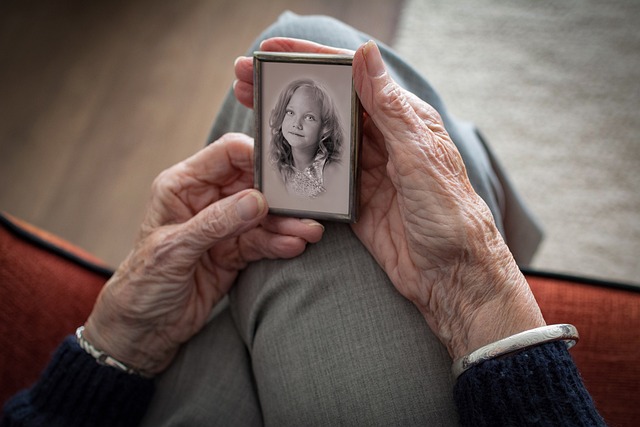
For many elderly individuals, the comfort and familiarity of their own homes can be greatly enhanced by the presence of an Elderly Companion Service. These services offer a range of benefits designed to improve quality of life, promote independence, and provide much-needed support. One of the primary advantages is the companionship itself; loneliness is a significant issue among seniors, and having a regular visitor can mitigate this risk. Studies show that social interaction helps maintain cognitive function and overall mental health, reducing the risk of depression and anxiety.
Elderly Companion Services also contribute to physical well-being by assisting with daily tasks such as meal preparation, light housework, and medication management. This not only improves living conditions but can delay the need for more intensive care or a move to a facility. For instance, a companion might encourage and assist with regular exercise routines tailored to the senior’s abilities, promoting mobility and flexibility. Furthermore, companions can provide vital safety nets; they can alert family members or emergency services if an elderly person falls or experiences other emergencies at home.
In addition to practical assistance, companions offer emotional support and engage in meaningful conversations, stimulating mental acuity. They can help seniors stay connected with their communities by accompanying them to social events or simply by sharing stories and memories. This sense of belonging and purpose can significantly enhance overall well-being, making the golden years more fulfilling. Family caregivers often benefit too, as companion services reduce their burden, allowing them to focus on other responsibilities while knowing their loved ones are in capable hands.
Creating a Supportive Environment: Tips for Family Caregivers

Creating a supportive environment for elderly loved ones at home is an essential aspect of quality caregiving. Family caregivers play a pivotal role in fostering a nurturing space that enhances the well-being and independence of seniors. This involves more than just ensuring basic needs are met; it entails understanding and adapting to each individual’s unique preferences and abilities, especially as they age. By implementing thoughtful strategies, caregivers can transform their homes into comfortable and secure sanctuaries.
One effective approach is personalizing the living space according to the elderly person’s interests and past hobbies. For instance, setting up a cozy reading corner with their favorite books or displaying family photos can stimulate cognitive function and evoke fond memories. Additionally, incorporating assistive devices and adaptations can make daily tasks more manageable. Simple modifications like non-slip mats in the bathroom or raised toilet seats contribute to safety and ease of movement. Elderly companion services often emphasize these tailored solutions, recognizing that a supportive environment is a cornerstone of holistic care.
Regular engagement and social interaction are vital for combating loneliness and depression, common concerns among the elderly. Caregivers can foster a sense of community by encouraging visitors or incorporating pet therapy, proven to lift spirits and reduce stress. Moreover, maintaining an organized and clutter-free space contributes to mental clarity and overall peace of mind. Regular decluttering sessions not only make cleaning easier but also create a more calming atmosphere. These strategies collectively promote a supportive environment that enhances the quality of life for elderly loved ones, reflecting the dedication of family caregivers in their daily efforts.
By understanding the unique care needs of elderly loved ones and leveraging the benefits of in-home companion services, families can significantly enhance their seniors’ quality of life. The article has highlighted the importance of creating a supportive environment, offering practical tips for family caregivers to excel in this role. Key insights include recognizing cognitive and physical decline, promoting independence, fostering social interaction, and providing emotional support. Elderly Companion Services play a vital role in addressing these needs, ensuring seniors receive personalized care tailored to their specific requirements. Moving forward, families are encouraged to explore these services, prioritize communication, and stay informed about available resources to make informed decisions that honor and cherish their elderly relatives.
About the Author
Dr. Emily Taylor is a leading geriatric care expert and certified gerontologist with over 15 years of experience in home healthcare. She holds a PhD in Gerontology from Stanford University and is a sought-after speaker on aging-related topics. Dr. Taylor has authored numerous articles for respected publications like The New York Times and is active on LinkedIn, where she shares insights on eldercare trends. Her specialty lies in designing personalized care plans to enhance the quality of life for elderly individuals in their homes.
Related Resources
1. National Institute on Aging (Government Portal) (Government Resource): [Offers comprehensive information and research on aging, including caregiving resources for elderly loved ones.] – https://www.nia.nih.gov/
2. Mayo Clinic (Healthcare Provider) (Medical Website): [Provides expert advice and guidelines on eldercare, covering various health conditions and care options.] – https://www.mayoclinic.org/healthy-lifestyle/aging/in-depth/elderly-care/art-20047561
3. Alzheimer’s Association (Non-profit Organization) (Community Resource): [Dedicated to providing support, funding research, and raising awareness about Alzheimer’s disease, offering valuable resources for in-home care.] – https://www.alz.org/
4. Harvard Medical School (Academic Study) (Research Institution): [Features studies and articles on aging well, including tips for caregivers and strategies for maintaining independence at home.] – https://www.health.harvard.edu/blog/aging-well
5. Care.com (Online Platform) (Industry Leader): [A resource hub for finding in-home care services, with articles, guides, and reviews to assist families in making informed decisions.] – https://www.care.com/
6. AARP (Lifestyle and Advocacy Organization) (Community Resource): [Offers a wealth of information tailored to older adults, including tips on staying safe at home and managing caregiving responsibilities.] – https://www.aarp.org/
7. World Health Organization (Global Health Agency) (International Authority): [Provides global perspectives on aging and health, with guidelines and reports on improving quality of life for elderly individuals.] – https://www.who.int/