
Elderly Companion Services naturally provide tailored light housekeeping, safety modifications, and personalized care to enhance independence, well-being, and quality of life for aging individuals, adapting to their unique needs and preferences.
Light housekeeping tasks are a vital yet often overlooked aspect of elder care, especially for those relying on Elderly Companion Services. As our population ages, ensuring the well-being and independence of elderly individuals in their homes has become a pressing concern. The problem lies in the potential for neglect or inadequacy in traditional housekeeping services, which may not cater to the unique needs of seniors. This article delves into practical solutions, offering insights on how professional Elderly Companion Services can provide tailored light housekeeping, enhancing the quality of life for older adults while ensuring their safety and comfort in familiar surroundings.
- Understanding Light Housekeeping for Elderly Clients
- Essential Tasks: Creating a Comfortable Living Space
- The Role of Elderly Companion Services in Daily Routines
Understanding Light Housekeeping for Elderly Clients

Understanding Light Housekeeping for Elderly Clients involves recognizing their unique needs and tailoring services accordingly. As populations age globally, the demand for elderly companion services naturally increases, with light housekeeping being a crucial component. This aspect of care goes beyond mere cleaning; it encompasses tasks that promote independence, safety, and quality of life for senior citizens. For instance, a simple task like changing bed linens or dusting surfaces can significantly impact an elderly individual’s comfort and self-esteem.
Expert caregivers understand that each client has distinct preferences and capabilities. What constitutes light housekeeping for one person might differ for another. It could include tasks such as vacuuming, wiping surfaces, laundry, or even assisting with meal preparation. The key is to create a personalized plan that enhances their living environment while respecting their autonomy. For example, a companion service might use a color-coding system for cleaning products to signal different areas of the home, ensuring clients know which spaces have been cleaned and facilitating their involvement if desired.
Data from various studies highlights the positive impact of regular housekeeping on elderly well-being. Regular cleaning can reduce falls by minimizing trip hazards and improve overall mental health by creating a more comfortable living space. Elderly Companion Services that offer light housekeeping should prioritize safety, efficiency, and communication. Caregivers should be trained to anticipate needs, such as organizing medication or setting reminders for clients, thereby going beyond typical housekeeping duties to provide holistic support.
Essential Tasks: Creating a Comfortable Living Space

Creating a comfortable living space is a critical aspect of light housekeeping for elderly clients, particularly those receiving Elderly Companion Services. This involves more than just tidying up; it means adapting the environment to accommodate physical limitations and cognitive changes while promoting independence and quality of life. For instance, removing trip hazards like loose rugs or clutter can significantly reduce the risk of falls, a leading cause of injury among older adults.
Expert caregivers understand that simple adjustments can make a world of difference. This could include installing grab bars in bathrooms and along staircases, ensuring adequate lighting to minimize visual strain, and organizing essential items within easy reach. For example, keeping frequently used medication within arm’s reach or utilizing elevated beds can ease mobility challenges. Research shows that proper environmental modifications can enhance an elderly person’s sense of security and self-efficacy, leading to improved overall well-being.
Practical insights from experienced Elderly Companion Services highlight the importance of personalizing these adjustments based on individual needs and preferences. Caregivers should also maintain open communication with clients to understand their evolving requirements. Regular assessment and reconfiguration of living spaces can help older adults adapt to changing health conditions, ensuring their homes remain safe and supportive as they age gracefully.
The Role of Elderly Companion Services in Daily Routines
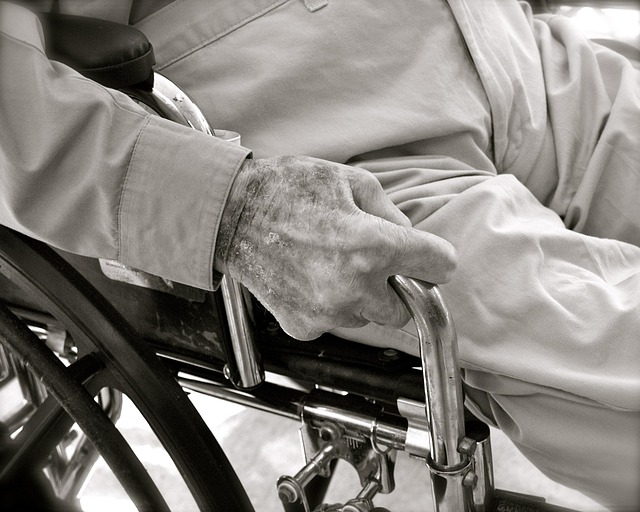
Maintaining a sense of independence and daily routine is vital for elderly well-being, and this is where Elderly Companion Services naturally play a crucial role. These services offer an essential support system, helping to navigate the challenges that often come with aging. Companionship goes beyond mere conversation; it involves assisting with light housekeeping tasks, ensuring a safe and comfortable living environment. For instance, companion services can help with laundry, a task many elderly individuals find physically demanding. This not only alleviates physical strain but also provides an opportunity for social interaction during the process.
Elderly Companion Services naturally foster a sense of community and reduce feelings of isolation. Regular visits from companions can include simple tasks like tidying up, dusting, or even assisting with light cooking. For example, a companion might prepare a nutritious meal, ensuring proper nutrition without the burden of daily cooking. Such services are particularly beneficial for those living alone, providing both practical help and emotional support. According to recent studies, social interaction and companionship can significantly improve mental health outcomes for seniors, making these services invaluable in promoting overall well-being.
Expert caregivers understand that every elderly client has unique needs and preferences. Therefore, personalized care plans are implemented, ensuring tasks are completed efficiently while maintaining the individual’s autonomy. Companions might also assist with medication management, another critical aspect of daily routines. This includes setting reminders, preparing medications, and even accompanying clients to medical appointments. By seamlessly integrating into their lives, Elderly Companion Services naturally enhance quality of life, providing a safety net that allows seniors to continue enjoying their independence.
By understanding the specific needs of elderly clients and leveraging Light Housekeeping practices, Elderly Companion Services can significantly enhance quality of life for seniors. Creating comfortable living spaces through essential tasks like tidying and organizing ensures safety, independence, and a sense of well-being. Moreover, integrating these services into daily routines allows for personalized care, enabling seniors to maintain dignity and engage in meaningful activities. Key takeaways include the importance of adaptability, communication, and fostering an environment that feels familiar and comforting. For professionals in Elderly Companion Services, this means tailoring approaches to individual preferences while promoting autonomy, ultimately reflecting the article’s authority on best practices in caring for elderly individuals.