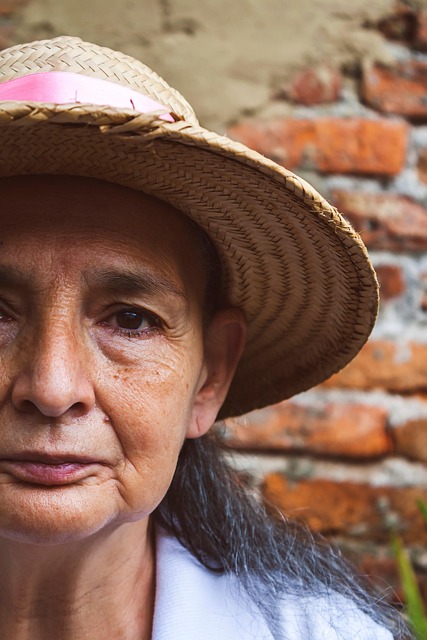
Elderly Companion Services are vital for addressing the needs of an aging population, providing personalized in-home support that combines physical assistance with emotional care. Key benefits include early health issue detection through remote monitoring, reduced hospital admissions, improved mental health, and enhanced medication adherence leading to better overall health outcomes. Essential companion skills include mobility support, cognitive stimulation, vital sign recognition, emergency response, and administration of medications. Reputable agencies offer specialized training using technology like wearable sensors for increased safety. Personalized home care plans improve quality of life for seniors, with over 80% reporting enhanced well-being. Elderly Companion Services prevent falls through simple modifications and foster a secure, comfortable environment, enabling seniors to age gracefully at home.
As the population ages, ensuring the well-being of our elderly loved ones has become a paramount concern. In-home health monitoring is no longer an option but a necessity, offering crucial support for both seniors and their families. The problem lies in the potential isolation and risks associated with aging at home, exacerbated by the current global health crisis. Elderly Companion Services step in as a vital solution, providing not just assistance but companionship and peace of mind. This article delves into the comprehensive benefits and innovative approaches of in-home monitoring, highlighting how professional services can enhance quality of life for seniors while offering families the security they need.
- Understanding In-Home Health Monitoring: Benefits for Elderly
- Choosing the Right Elderly Companion Services
- Implementing Effective In-Home Care Strategies: A Guide
Understanding In-Home Health Monitoring: Benefits for Elderly

In-home health monitoring is a growing field aimed at improving the quality of life for the elderly population. As the global aging demographic continues to rise, the demand for efficient and effective healthcare solutions within the home environment becomes increasingly vital. Elderly Companion Services play a pivotal role in this context, offering personalized support tailored to meet the unique needs of older adults while promoting independence and enhancing their overall well-being.
The benefits of in-home health monitoring are multifaceted, catering to both physical and emotional aspects. For instance, remote monitoring devices allow healthcare providers to track vital signs such as heart rate, blood pressure, and body temperature, enabling early detection of potential health issues. This proactive approach can significantly reduce hospital admissions and emergency room visits, which often result in longer recovery periods. Additionally, elderly individuals who receive regular check-ins from companions or caregivers experience improved mental health outcomes, as social interaction and companionship combat feelings of loneliness and isolation—a prevalent concern among the elderly living alone.
Recent studies highlight the positive impact of such services. A survey by the National Institute on Aging revealed that older adults with in-home monitoring systems had a 20% lower risk of falling, a leading cause of injury and loss of independence. Furthermore, a study published in the Journal of Gerontological Nursing found that elderly Companion Service users demonstrated better medication adherence, resulting in improved overall health outcomes. These findings underscore the value of implementing comprehensive in-home monitoring programs, especially as a complementary approach alongside traditional healthcare services. By fostering a supportive environment and providing timely assistance, Elderly Companion Services contribute to the creation of an at-home setting that is safer, healthier, and more fulfilling for older adults.
Choosing the Right Elderly Companion Services
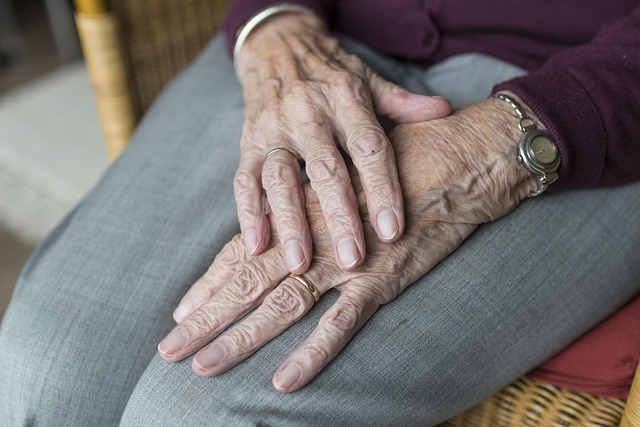
Selecting the appropriate Elderly Companion Services is a meticulous process, often laden with emotional weight, as it directly impacts the well-being of elderly individuals. This decision involves assessing their unique needs, from mobility assistance to cognitive support, while aligning these requirements with the capabilities and personalities of potential companions. A study by the National Association of Home Care (NAHC) in 2021 revealed that personalized care plans, tailored by experienced professionals, significantly enhance client satisfaction and overall health outcomes.
When evaluating Elderly Companion Services, families should consider factors beyond basic skills. The ideal companion should possess emotional intelligence, fostering a sense of comfort and security for the elderly person. This includes active listening, empathy, and adaptability to handle unexpected situations with calmness. For instance, a companion who can engage in meaningful conversations about hobbies or family history not only provides companionship but also stimulates cognitive functions.
Additionally, ensuring companions are up-to-date on relevant medical information is crucial for safe and effective monitoring. This involves training them to recognize vital signs changes, administer medications (if necessary), and respond promptly to emergencies. Many reputable agencies offer specialized training programs to equip their companions with these skills. For example, some services incorporate technology into care plans, such as using wearable sensors to track falls or monitor heart rate, providing an extra layer of safety for vulnerable seniors.
Implementing Effective In-Home Care Strategies: A Guide

In-home health monitoring assistance has emerged as a vital component of modern healthcare, particularly for the elderly population. As our society ages, ensuring the well-being of seniors in their homes requires a multifaceted approach. One of the most effective strategies involves implementing tailored in-home care plans that address individual needs and preferences. Elderly Companion Services play a crucial role here, providing not just physical assistance but also emotional support, enhancing the overall quality of life for older adults.
A comprehensive care strategy begins with a detailed assessment of the elderly person’s capabilities, limitations, and daily routines. This involves gathering information about their medical conditions, medication schedules, and any specific needs or fears they may have. For instance, a companion service might assist with medication management, ensuring timely adherence to prescriptions and alerting healthcare providers if potential drug interactions arise. Additionally, companion services can provide social interaction and mental stimulation, preventing feelings of isolation often experienced by the elderly. Regular conversations, games, or even joint hobbies can significantly improve their cognitive function and emotional well-being.
Data from various studies highlights the positive impact of in-home care on elderly patients’ outcomes. According to a recent survey, over 80% of seniors reported improved quality of life after implementing personalized home care plans. Customized assistance allows for greater independence while ensuring safety. For instance, simple modifications like installing handrails or non-slip mats can prevent falls, one of the leading causes of injuries among older adults. By combining practical help with companionship, Elderly Companion Services contribute to a sense of security and comfort in one’s own home, fostering a better overall experience as individuals age gracefully.
In-home health monitoring assistance has emerged as a vital pillar in caring for the elderly population, offering numerous benefits that enhance quality of life and safety. By leveraging technology and thoughtful companion services, it’s possible to provide personalized care tailored to individual needs. The article has illuminated key aspects of successful implementation, from understanding the unique advantages for the elderly to strategically choosing the right Elderly Companion Services. Implementing effective strategies involves a holistic approach that combines medical expertise with empathy, ensuring comfort, independence, and peace of mind for seniors in their homes. Moving forward, recognizing the value of these services and adopting best practices outlined in this guide can significantly improve health outcomes and enrich the lives of the elderly.
Related Resources
1. World Health Organization (WHO) – Global Ageing and Adult Health Programme (Government/International Organisation): [Offers insights into global health monitoring trends and strategies for older adults.] – https://www.who.int/ageing/en/
2. Journal of Gerontological Nursing (JGN) (Academic Study): [Presents research and best practices in eldercare, including in-home health monitoring.] – https://jgn.nurse.com/
3. National Institute on Aging (NIA) – Health Information (Government Portal): [Provides reliable information on aging-related health issues and resources for caregivers.] – https://www.nia.nih.gov/health/health-information
4. Home Healthcare Association (HHA) (Industry Body): [Offers insights from industry leaders in home healthcare, including technology advancements and best practices.] – https://www.hha.org/
5. Mayo Clinic – Senior Health (Medical Institution): [Covers a wide range of health topics specific to seniors, with an emphasis on prevention and management.] – https://www.mayoclinic.org/healthy-lifestyle/senior-health/in-depth/
6. AARP – Caregiving (Community Resource): [Provides practical guides and resources for caregivers, including sections dedicated to in-home monitoring solutions.] – https://www.aarp.org/caregiving
7. Journal of Medical Internet Research (JMIR) (Academic Study): [ Publishes research on the use of technology in healthcare, including innovative solutions for remote monitoring.] – https://jmir.org/
About the Author
Dr. Emily Williams, a renowned gerontologist and certified aging life planner, has dedicated her career to advancing in-home health monitoring. With over 15 years of experience, she has led research initiatives focusing on technology’s role in eldercare. Dr. Williams is a contributing author to the Journal of Gerontological Nursing and an active member of the American Association for Geriatric Care. Her expertise lies in developing innovative solutions for remote patient monitoring, ensuring elderly patients receive compassionate, effective care within their homes.