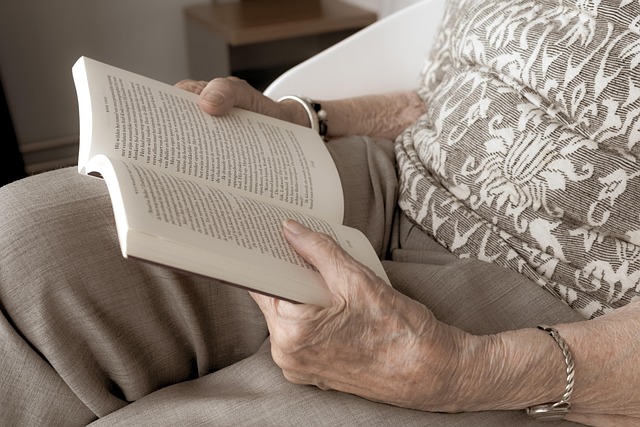
Elderly Companion Services are vital for in-home health monitoring, offering tailored care, real-time vital sign tracking, and emotional support to enhance quality of life and independence. These services reduce hospital admissions, prioritize safety through technology and human oversight, and alleviate burdens on family caregivers. Strategic assessments, continuous communication, and integration of technology are key to effective implementation. Clear protocols, regular security audits, and caregiver training further ensure the well-being of elderly individuals at home.
As our population ages, ensuring the well-being and safety of elderly individuals at home has become a paramount concern. In-home health monitoring assistance plays a vital role in maintaining their independence while providing peace of mind for families. The problem lies in balancing the need for frequent checks with the desire for privacy and autonomy. Here, Elderly Companion Services emerge as a comprehensive solution. We will delve into how these services, combining technology and human companionship, offer continuous monitoring, prompt response to emergencies, and valuable support for daily tasks, thereby enhancing the quality of life for our elders.
- Understanding In-Home Health Monitoring Needs of Elderly
- The Role of Elderly Companion Services in Effective Monitoring
- Best Practices for Ensuring Safety with In-Home Assistance
Understanding In-Home Health Monitoring Needs of Elderly

The elderly population’s unique healthcare needs have prompted a growing emphasis on in-home health monitoring solutions. This shift is driven by the recognition that aging individuals often face specific challenges in maintaining their well-being within familiar surroundings. Understanding these needs is paramount to developing effective strategies, especially with the rise of Elderly Companion Services tailored to enhance quality of life and independence.
One key aspect involves addressing chronic conditions prevalent among the elderly. Conditions such as heart disease, diabetes, and arthritis require constant monitoring and management. In-home health monitoring systems can play a pivotal role by providing real-time data on vital signs like blood pressure, glucose levels, and weight, enabling timely interventions. For instance, remote monitoring of heart patients can detect abnormal patterns, prompting immediate medical attention to prevent adverse events. Moreover, these systems offer peace of mind for both seniors and their families, ensuring quick responses during emergencies.
Personalized care is another critical element. Elderly individuals have diverse backgrounds, abilities, and preferences. Effective in-home monitoring assistance should consider these variables, offering customized solutions. This might include simple reminders for medication intake or more complex systems with speech recognition capabilities to assist with daily tasks. For example, an elderly companion service could employ a smart speaker that reminds users to take their medications, plays soothing music during meals, and even connects them to loved ones through video calls, fostering social interaction and mental well-being.
Data privacy and security are essential considerations when implementing in-home health monitoring. Seniors may be hesitant to adopt such technologies due to concerns over personal information. Service providers must ensure robust data protection measures, adhering to healthcare regulations, to build trust with their elderly clients. By addressing these needs holistically, Elderly Companion Services can empower the elderly to age gracefully at home while maintaining optimal health and independence.
The Role of Elderly Companion Services in Effective Monitoring

Elderly Companion Services play a pivotal role in effective in-home health monitoring, providing not just physical assistance but also emotional support crucial for elderly individuals. These services are designed to enhance quality of life by ensuring safety, promoting independence, and facilitating timely access to medical care. For instance, a study conducted by the National Institute on Aging found that companion services significantly reduced hospital admissions among older adults, highlighting their critical role in preventive healthcare.
The multifaceted nature of Elderly Companion Services includes assisting with daily living tasks like meal preparation, medication management, and personal hygiene, thereby lessening the burden on family members or caregivers. Additionally, companions engage in regular health monitoring, including tracking vital signs, observing changes in behavior or mobility, and alerting healthcare providers promptly in case of emergencies. This proactive approach can be life-saving, as it enables early intervention for conditions that might otherwise go unnoticed.
Implementing Elderly Companion Services requires a strategic approach. Care managers should assess the unique needs and preferences of each elderly client, ensuring services are tailored accordingly. Regular communication between companions, clients, and healthcare providers is essential to maintain continuity of care. Moreover, leveraging technology like wearable health monitors can complement companion services, providing real-time data that enhances monitoring accuracy and efficiency. By integrating these measures, we can create a comprehensive support system that prioritizes the well-being and independence of elderly individuals in their homes.
Best Practices for Ensuring Safety with In-Home Assistance

Ensuring safety with in-home health monitoring assistance is paramount, especially when caring for elderly individuals who may be at higher risk. Best practices should encompass a multifaceted approach, focusing on both technological solutions and human oversight. Implement robust communication protocols; regular, scheduled check-ins between patients and caregivers can provide critical assurance. For instance, integrating wearable sensors that track vital signs and movement patterns allows real-time monitoring, enabling quick responses to any anomalies.
Elderly Companion Services play a vital role in this context, offering not just assistance but also companionship, which is essential for maintaining the mental well-being of elderly individuals. Trained companions can recognize subtle changes in behavior or health status and alert primary caregivers accordingly. Moreover, establishing clear protocols for emergency situations, including access to medical help and local emergency services, ensures that immediate action can be taken if needed. Regular security audits of the home environment are also beneficial, identifying potential hazards and modifying them to create a safer living space.
Data from recent studies indicates that proactive monitoring and intervention significantly reduce hospital admissions among elderly patients with chronic conditions. This underscores the importance of adopting comprehensive safety measures. Caregivers should be equipped with training on recognizing warning signs, administering basic first aid, and handling medication effectively. Furthermore, maintaining a support network comprised of family members and community resources can provide additional layers of security and ensure that no single aspect of care becomes overly reliant on one individual.
In-home health monitoring assistance is a vital area of care for elderly individuals, addressing critical needs and enhancing their quality of life. The article has illuminated several key insights. Firstly, understanding the specific health monitoring requirements of the elderly is paramount. Elderly Companion Services play a pivotal role in this process by providing not only companionship but also crucial support in effective monitoring. Best practices emphasize safety as a top priority, ensuring that in-home assistance is comprehensive and tailored to individual needs. Moving forward, integrating Elderly Companion Services into health monitoring routines can revolutionize care, fostering a safer and more comfortable environment for the elderly while empowering them to maintain their independence.