
Elderly Companion Services prioritize holistic care for seniors, addressing unique needs from task assistance to companionship. Their light housekeeping tasks reduce hazards, improve air quality, and enhance independence, per National Institute on Aging studies. Companions manage medical information, appointments, and transportation, boosting physical health, mental well-being, and social engagement. Personalized planning, feedback, and adaptation ensure individualized care for improved quality of life among seniors.
Light housekeeping is a significant aspect of elderly care, directly impacting the quality of life for our aging population. As our society ages, ensuring the safety, comfort, and dignity of elderly clients becomes increasingly crucial. Many older adults face challenges in maintaining their living spaces due to physical limitations or cognitive changes, leading to potential health risks and decreased independence. Elderly Companion Services step in as a vital resource, offering personalized assistance tailored to individual needs. This article delves into effective strategies for light housekeeping, showcasing how companion services naturally enhance the well-being of elderly clients while promoting their autonomy.
- Understanding Elderly Client Needs: A Companion's Perspective
- Essential Light Housekeeping Tasks for Senior Well-being
- Enhancing Quality of Life: Elderly Companion Services in Action
Understanding Elderly Client Needs: A Companion's Perspective

Understanding the unique needs of elderly clients is a cornerstone of quality light housekeeping services, especially when provided by a dedicated Elderly Companion. As our population ages, the demand for such services grows, making it imperative for companions to adopt a holistic approach. This involves recognizing that older adults have distinct preferences, health considerations, and daily routines that must be respected and catered to. For instance, a client might require assistance with basic tasks like meal preparation or medication management, while others may appreciate companionship during mealtimes or help with light gardening, which can improve mental well-being.
Elderly Companion Services excel in addressing these diverse needs through tailored support. Companions should be trained to communicate effectively, using clear and simple language, especially when discussing sensitive health matters. They must also possess the skills to navigate the complexities of navigating medical information and translating it into actionable care plans. For example, a companion might assist with scheduling doctor’s appointments, ensuring adherence to medication regimens, or even providing transportation to medical facilities. This level of support not only improves clients’ physical health but also boosts their independence and overall quality of life.
Data from recent studies highlights the positive impact of in-home care on elderly well-being. According to a study published in the Journal of Gerontological Nursing, elderly individuals receiving regular home care showed significant improvements in functional abilities and a reduced risk of hospital readmission. This underscores the importance of companion services in fostering a safe, comfortable environment for seniors. Companions can also play a vital role in preventing isolation by encouraging social engagement, whether through visits from family members or participation in community activities suitable for their age group.
Essential Light Housekeeping Tasks for Senior Well-being
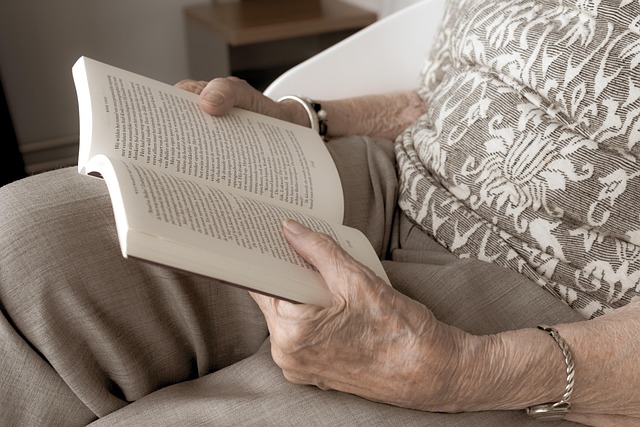
Maintaining a clean and organized living space is essential for promoting the well-being of elderly individuals, ensuring their independence, and enhancing their quality of life. Light housekeeping tasks play a pivotal role in supporting senior citizens, especially those who live alone or have reduced mobility. By focusing on specific, manageable activities, Elderly Companion Services can significantly impact the comfort, safety, and overall health of their clients.
Some key light housekeeping responsibilities include tidying up surface areas, such as clearing clutter from tables, counters, and shelves, which not only improves aesthetics but also reduces tripping hazards. Dusting furniture, appliances, and decor items is another crucial task, preventing the accumulation of allergens and maintaining a hygienic environment. Regularly changing bed linens and vacuum cleaning carpets or hard floors contribute to a healthy living space, minimizing dust mites and improving air quality. Additionally, assisting with laundry, including sorting, washing, and folding clothes, ensures that elderly clients have clean garments, fostering personal hygiene and dignity.
According to a study by the National Institute on Aging, maintaining a tidy home environment can positively impact an older adult’s cognitive function and reduce the risk of falls. Simple housekeeping routines become even more critical as individuals age, making Elderly Companion Services invaluable. By incorporating these essential tasks into their care plans, companions can create a safe, comfortable living space for seniors, allowing them to focus on enjoying their golden years with minimal concern for domestic chores.
Enhancing Quality of Life: Elderly Companion Services in Action

Light housekeeping tasks are a vital component of enhancing the quality of life for elderly clients, especially when combined with Elderly Companion Services. These services go beyond basic assistance; they foster independence while ensuring safety and comfort in their homes. Companions can help with lighter cleaning duties such as dusting, vacuuming, and wiping surfaces, allowing seniors to maintain a tidy living environment without the physical strain. This approach is particularly beneficial for those who no longer find it feasible or safe to manage extensive housekeeping alone.
The impact of these services extends beyond cleanliness. By handling routine chores, Elderly Companion Services alleviate stress and anxiety related to maintaining a home, boosting mental well-being. For instance, a study by the National Institute on Aging revealed that social engagement and assistance in daily tasks significantly reduced feelings of loneliness among older adults. Companions can also assist with medication management, meal preparation, and transportation, further enhancing overall quality of life metrics.
Practical advice for service providers includes personalized planning based on each client’s needs and preferences. Some elders may require more support with certain tasks, while others prefer a lighter touch. Customization ensures satisfaction and fosters a sense of partnership. Regular feedback and adaptation to changing circumstances are key to maintaining the highest level of care. By focusing on these individualized aspects, Elderly Companion Services can truly make a difference in the lives of their senior clients.
By understanding the unique needs of elderly clients and leveraging the skills provided by Elderly Companion Services, we can significantly enhance their quality of life. Key insights include recognizing the importance of light housekeeping tasks in promoting senior well-being, such as maintaining a clean living space, ensuring safe navigation, and organizing essential items. Through practical companion services, these tasks become manageable, fostering independence and a sense of dignity. The article underscores that attending to these details allows seniors to focus on what truly matters, enriching their daily lives and contributing to their overall happiness and longevity.