
Elderly Companion Services naturally enhance quality of life for seniors by addressing physical limitations, health issues, and cognitive changes through tailored housekeeping, safe routines, and modern technology. These services prioritize independence, comfort, and safety while improving mental health and cognitive function through consistent cleaning, organization, and structured yet flexible daily activities.
As our population ages, ensuring the well-being and comfort of elderly individuals becomes a societal priority. Light housekeeping, a crucial aspect of daily living, often presents challenges for seniors, particularly those living alone. This article delves into the significance of elderly companion services in mitigating these difficulties. By offering personalized assistance with household tasks, these services naturally enhance the quality of life for our aging population, fostering independence and promoting a sense of dignity. We will explore practical strategies to create a supportive environment, highlighting the expertise and genuine value that dedicated companions bring to the lives of elderly clients.
- Understanding Light Housekeeping for Elderly Clients
- Essential Tasks and Techniques for Elderly Companion Services
- Promoting Safety and Comfort through Daily Routines
Understanding Light Housekeeping for Elderly Clients

Light housekeeping for elderly clients is a specialized service that requires a nuanced understanding of their unique needs and limitations. As the population ages, the demand for these services has been steadily increasing. Elderly Companion Services play a pivotal role in ensuring the safety, comfort, and independence of seniors while maintaining their living spaces. This involves tasks such as light cleaning, laundry, grocery shopping, and errand running, tailored to the individual’s abilities and preferences.
Comprehending the specific challenges faced by the elderly is essential. Physical limitations, age-related health issues, and cognitive changes can make even mundane household tasks daunting. For instance, a study by the National Institute on Aging found that over 30% of adults aged 65 and older have difficulty with activities like dusting or vacuuming. Therefore, professional companions must be adept at adapting cleaning routines to accommodate these challenges, ensuring a safe and efficient environment. Regular, gentle housekeeping not only improves living conditions but also fosters a sense of dignity and well-being among the elderly population.
Elderly Companion Services can significantly enhance quality of life for seniors, providing much-needed assistance without the need for institutional care. Practical insights include establishing a structured yet flexible schedule, using non-slip tools and products to prevent accidents, and incorporating technology for monitoring health and activities. For example, smart home devices can automate certain tasks, while wearable sensors can alert caregivers to falls or unusual behavior. By combining personalized attention with modern innovations, elderly companion services naturally become a game-changer in maintaining the independence and comfort of aging individuals.
Essential Tasks and Techniques for Elderly Companion Services
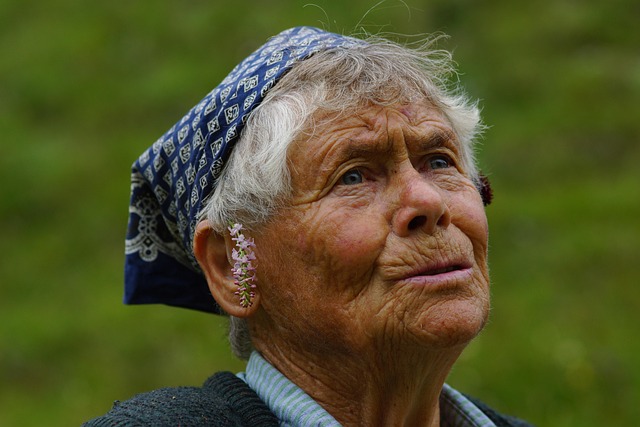
Light housekeeping for elderly clients is a specialized service provided by Elderly Companion Services, focusing on maintaining living spaces in a safe, clean, and organized manner. Essential tasks include surface cleaning, dusting, vacuuming, and light landscaping, tailored to accommodate physical limitations and cognitive needs. For instance, using non-slip mops and lightweight tools can prevent falls while ensuring floors remain sparkling. Regular organization of items and disposal of clutter not only reduces safety hazards but also aids in mental clarity for the elderly.
Elderly Companion Services professionals employ techniques that prioritize safety and comfort. For cleaning hard surfaces, microfiber cloths are recommended over rough abrasives to avoid skin irritation or damage to delicate finishes. In areas with limited mobility, adjustable tools and ergonomic designs can make housekeeping more manageable. For example, a reach-and-grab tool allows for dusting high shelves without the need for a step stool. Additionally, maintaining a consistent cleaning schedule that aligns with the client’s routine enhances independence and reduces stress.
Data from studies show that a clean living environment contributes significantly to improved mental health and cognitive function in the elderly. By implementing these light housekeeping practices, Elderly Companion Services not only provide a vital support system but also foster a sense of dignity and well-being for their clients. Regular communication between caregivers and clients is crucial; understanding individual preferences and needs ensures that each home is tended to with care and respect, creating a comfortable and secure living space.
Promoting Safety and Comfort through Daily Routines
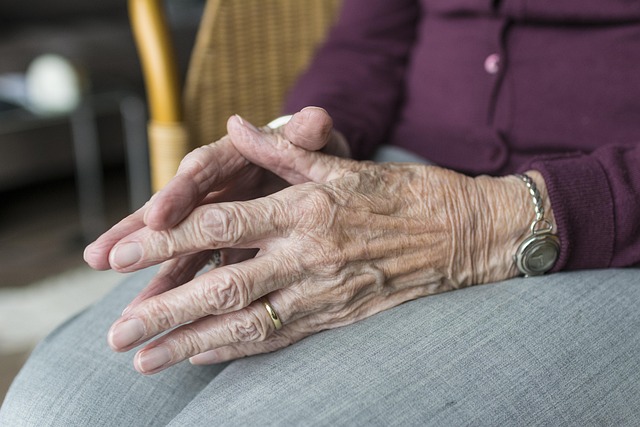
Promoting safety and comfort through daily routines is a cornerstone of elderly care, particularly when focusing on Light Housekeeping for elderly clients. As populations age, the demand for Elderly Companion Services naturally increases, highlighting the critical role that companions play in maintaining quality of life. A structured yet flexible daily routine can significantly mitigate risks associated with falls, cognitive decline, and social isolation—common challenges faced by older adults.
Implementing simple routines, such as establishing consistent bedtimes and mealtimes, can foster a sense of security and predictability. For instance, a morning routine that includes light exercises, mental stimulation through reading or puzzles, and a balanced breakfast can set the tone for an active and engaged day. Regular housekeeping tasks, like decluttering and quick surface cleaning, not only maintain a safe living environment but also encourage independence. Companions can guide clients through these activities while teaching them to recognize and avoid potential hazards in their homes.
According to recent studies, regular physical activity and cognitive stimulation have been linked to reduced risk of dementia and improved overall well-being among the elderly. Incorporating these elements into daily routines can be as simple as a short walk or a game of cards. Elderly Companion Services excel when they tailor these activities to individual preferences, ensuring not only safety but also client satisfaction and longevity in their services. By fostering comfort through routine, companions create an enabling environment that enhances the quality of life for their elderly clients.
By understanding the unique needs of elderly clients and implementing tailored light housekeeping practices, Elderly Companion Services can significantly enhance quality of life. Essential tasks include maintaining safe living environments, managing household chores, and assisting with personal care. By establishing consistent daily routines, companions can promote comfort, reduce stress, and foster independence. This approach not only ensures the physical safety and well-being of clients but also provides them with a sense of security and dignity. Next steps for Elderly Companion Services involve training staff in eldercare-specific techniques, integrating these practices into service models, and regularly reviewing and adapting routines to meet evolving client needs.