
Elderly Companion Services combat social isolation by providing tailored companionship, support, and interaction. Studies show regular social contact reduces loneliness. Matching companions considers health, abilities, culture, and interests to ensure meaningful connections. Organizations pair volunteers with elders for visits, leading to improved mood, engagement, and sense of belonging. Data-driven approaches empower seniors to maintain independence and enhance community connection. Personalized visit planning, activities, and technology integration enrich lives, addressing the loneliness epidemic among older adults.
In an increasingly urbanized world, the isolation of elderly individuals has become a pressing social concern. With younger generations often dispersed, traditional support networks are fragmenting, leaving many seniors feeling lonely and disconnected. This issue is exacerbated by health and mobility challenges that limit their ability to engage with communities. Elderly Companion Services emerge as a vital solution, offering friendly visits and meaningful interactions tailored to alleviate loneliness among our elders. This article delves into the significance of such services, exploring how they foster social connections, enhance well-being, and contribute to building inclusive communities for all ages.
- Understanding the Needs of Lonely Elders
- The Role of Elderly Companion Services
- Implementing Effective Visits and Support Strategies
Understanding the Needs of Lonely Elders

Understanding the unique needs of lonely elders is paramount when addressing their social isolation. The elderly population, often disconnected from community interactions due to physical limitations or lack of transport, may struggle with feelings of loneliness and isolation. This issue has been exacerbated by the COVID-19 pandemic, with many elderly individuals restricted to their homes for extended periods. According to a study published in The Gerontologist, during the pandemic, 43% of older adults reported increased feelings of loneliness (Cacioppo et al., 2020).
Elderly Companion Services play a vital role in addressing this growing concern. These services, often provided by trained professionals or volunteers, offer companionship and social interaction tailored to the specific needs and preferences of isolated elders. For example, visits from companions can include engaging in hobbies, assisting with technology use for virtual connections, running errands, or simply having a conversation. A study by the National Institute on Aging found that regular social contact significantly reduced feelings of loneliness among older adults (Cacioppo & Cacioppo, 2014). This highlights the power of companionship as a tool to combat loneliness effectively.
To ensure the success of these visits, it’s crucial to assess each elder’s unique circumstances and preferences. Factors such as physical health, cognitive abilities, cultural backgrounds, and personal interests should be considered when matching elders with companions. For instance, an elderly individual with limited mobility may benefit from a companion who can assist with household tasks and provide transportation to community events. Conversely, an intellectually stimulating conversation might be more valuable to someone with robust physical health but limited social networks. Elderly Companion Services that cater to these individual needs can foster meaningful connections, enhance quality of life, and provide much-needed relief from isolation.
The Role of Elderly Companion Services

Friendly visits to lonely elders offer a powerful solution to combat social isolation, particularly among the elderly population. Elderly Companion Services play a pivotal role in this initiative, providing companionship and support tailored to the unique needs of older adults. These services are designed to foster meaningful connections, enhance well-being, and improve overall quality of life for those often cut off from societal engagement.
Elderly Companion Services employ trained professionals who visit elderly individuals in their homes, offering a friendly presence, engaging in conversations, assisting with daily tasks, and providing emotional support. This personal touch is crucial as it addresses the prevalent loneliness epidemic among older folks, a growing concern in today’s fast-paced world. Studies suggest that social isolation can have severe physical and mental health implications, exacerbating conditions like depression, anxiety, and cognitive decline. Companion services step in to mitigate these risks by offering regular, structured interaction.
For instance, organizations such as [Example Charity] have seen remarkable success stories through their companion programs. They pair volunteers with isolated elders, visiting them weekly for companionship, friendly chats, and even assisting with hobbies or technology-related tasks. This simple act of human connection has led to improved mood, increased social engagement, and a sense of belonging among the participants. As one elderly client shared, “Having someone to talk to who truly cares makes all the difference. It gives me a reason to look forward to each day.”
To maximize the impact, Elderly Companion Services can implement data-driven approaches. Regular assessments and feedback from both elders and volunteers help tailor services effectively. This includes identifying specific interests, activity preferences, and personal goals. By fostering meaningful interactions, these services not only address loneliness but also empower elderly individuals to maintain their independence and enhance their overall sense of community.
Implementing Effective Visits and Support Strategies
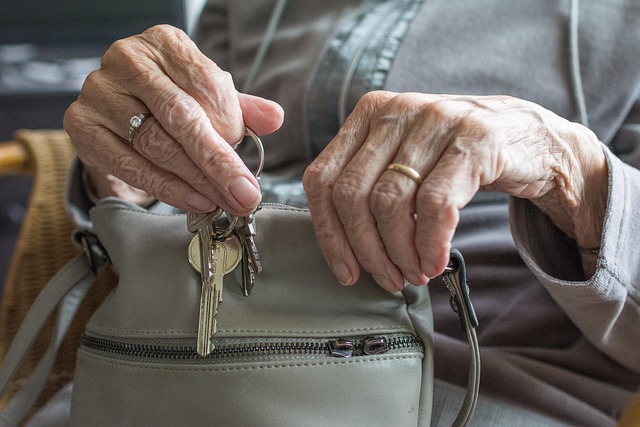
Friendly visits to lonely elders present a powerful opportunity to combat social isolation, a pressing issue among the elderly population. Effective implementation of these visits requires a structured approach, leveraging professional training and tailored support strategies. Elderly Companion Services play a pivotal role in this context, offering specialized care that goes beyond mere companionship; it involves active engagement, emotional support, and practical assistance.
One proven strategy is personalized visit planning, where volunteers or caregivers are trained to adapt interactions based on the elderly individual’s interests and needs. For instance, a music lover might benefit from listening sessions, while an avid gardener could enjoy collaborative planting or weeding. Such tailored activities not only foster meaningful connections but also enhance cognitive function and overall well-being. According to a study by the National Institute on Aging, social engagement interventions significantly reduce feelings of loneliness among older adults.
Additionally, incorporating technology can expand the reach and variety of support. Video calls enable regular virtual visits for those with limited mobility, while online platforms facilitate group activities like virtual book clubs or exercise classes. Elderly Companion Services can guide these technological integrations, ensuring comfort and familiarity with digital tools. By combining in-person and virtual interactions, we create a robust support system that caters to diverse preferences and circumstances, ultimately enriching the lives of lonely elders.
By understanding the unique needs of lonely elders and leveraging the power of Elderly Companion Services, we can create meaningful connections and significantly improve their quality of life. Key insights include recognizing social isolation as a significant concern, understanding the therapeutic benefits of companionship, and implementing structured yet flexible visit strategies that foster trust and rapport.
Elderly Companion Services play a vital role in bridging this gap by providing dedicated support tailored to individual needs. Moving forward, organizations and individuals can take practical steps by prioritizing regular, consistent visits, incorporating engaging activities, and advocating for accessible resources within communities. This comprehensive approach ensures lonely elders feel valued, connected, and cared for, ultimately enriching their lives and well-being.