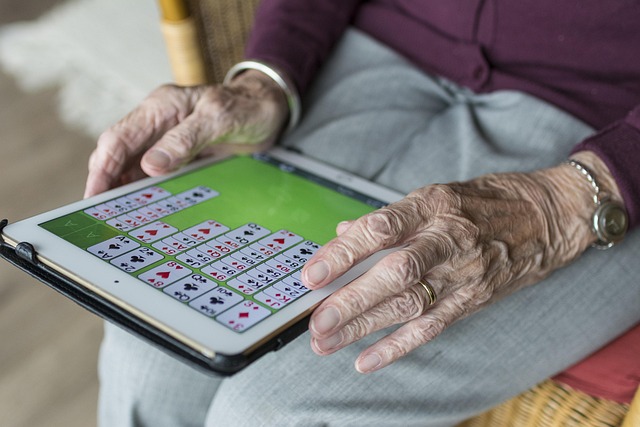
Elderly Companion Services address senior challenges, enhancing safety, independence, and quality of life at home. They provide physical assistance, cognitive support, companionship, and technology integration for daily tasks and medication management. These services conduct home safety assessments, install security features, reduce isolation, and offer tailored care, fostering independence while ensuring comfort and security. Research highlights improved mental health and well-being among users.
As our population ages, ensuring the well-being and independence of seniors has become a pressing concern. One significant challenge is maintaining the homes they’ve cherished, often with diminishing physical abilities and limited resources. The problem deepens when routine tasks become daunting, leading to potential health risks and increased social isolation.
Elderly Companion Services emerge as a vital solution, offering tailored assistance for daily needs. These services provide companionship and practical help, ensuring seniors live safely and comfortably in their own homes. By leveraging the expertise of dedicated professionals, we can create supportive environments that enhance quality of life for our elders, fostering independence and dignity.
- Understanding Home Maintenance Needs of Seniors
- The Role of Elderly Companion Services
- Creating a Safe and Comfortable Living Space
Understanding Home Maintenance Needs of Seniors

The unique challenges faced by seniors in maintaining their homes often require tailored assistance to ensure safety, comfort, and independence. As the population ages, understanding and addressing these needs have become paramount. Elderly Companion Services play a vital role in this aspect of senior care, offering a range of support that goes beyond traditional home care. These services are designed to cater to the specific physical, cognitive, and emotional requirements of older adults, ensuring their living environments remain accessible and conducive to their well-being.
One of the primary considerations is the physical ability to perform daily tasks. Many elderly individuals experience mobility issues, making simple chores like cleaning, cooking, and grocery shopping challenging. Companion services can provide personal assistance during these activities, ensuring safety and reducing the risk of falls or injuries. For instance, a companion might help with light housework, prepare nutritious meals, or accompany seniors on errand runs, thus maintaining their living spaces and promoting healthy eating habits. According to a recent study, nearly 60% of seniors aged 75 and above have at least one chronic condition that limits their mobility, underscoring the significance of such assistance.
Cognitive decline is another critical aspect to consider. Memory loss and dementia are prevalent among the elderly, impacting their ability to manage household tasks and navigate unfamiliar environments. Elderly Companion Services can offer cognitive support by providing regular companionship, engaging in meaningful conversations, and assisting with medication management. These services also help seniors stay connected to their communities, reducing feelings of isolation and promoting mental well-being. For example, a companion could assist in setting up smart home technology to remind seniors about appointments or medication schedules, thereby enhancing their independence and quality of life.
The Role of Elderly Companion Services

Maintaining a safe and comfortable living environment is paramount for seniors’ well-being, and Elderly Companion Services play a vital role in achieving this. These services offer a unique and personalized support system tailored to the specific needs of older adults, ensuring they can age gracefully at home. The primary benefit lies in the companionship and assistance provided by trained professionals who act as a bridge between independent living and assisted care.
Elderly Companion Services provide a range of tasks, from basic daily chores like cleaning and grocery shopping to more specialized activities such as medication management and transportation to medical appointments. For instance, a study conducted by the National Association for Home Care (NAHC) revealed that over 80% of seniors prefer home care services due to their flexibility and ability to maintain autonomy. This preference highlights the importance of companion services in fostering a sense of independence while ensuring safety. Professionals are trained not only in practical tasks but also in effective communication, empathy, and understanding the unique challenges faced by the elderly, making them invaluable companions.
Additionally, these services offer peace of mind for families, knowing their loved ones are being cared for in familiar surroundings. Companion caregivers can provide regular check-ins, monitor health conditions, and alert medical professionals when needed. They also facilitate social interaction, encouraging physical activity and mental stimulation through conversation and engaging activities. As the population ages, Elderly Companion Services are becoming increasingly recognized as a fundamental component of senior care, enhancing quality of life while promoting independence.
Creating a Safe and Comfortable Living Space

Creating a Safe and Comfortable Living Space for Seniors is of paramount importance as they age, ensuring their well-being and independence. According to recent studies, falls are a leading cause of injury among the elderly, often resulting from unsafe home conditions. Elderly Companion Services play a pivotal role in addressing these issues by offering tailored assistance to make senior living spaces more secure and comfortable. These services provide not just physical help but also offer a sense of companionship, enhancing their overall quality of life.
One practical approach is to conduct a comprehensive home safety assessment. This involves identifying potential hazards like loose rugs, uneven flooring, or poor lighting. For instance, a companion service might assist in installing handrails on staircases and grab bars in bathrooms, significantly reducing the risk of falls. Moreover, they can help organize and declutter living spaces, as clutter can pose tripping hazards. Regular maintenance checks ensure that any issues are promptly addressed, creating an environment conducive to safety.
Beyond physical adjustments, companion services foster a sense of comfort through emotional support. Seniors often appreciate having someone to chat with or assist with daily tasks, reducing feelings of isolation. They can also provide specialized care tailored to individual needs, such as helping with medication management or cooking nutritious meals. For example, a study by the National Institute on Aging showed that older adults who received regular companionship services reported improved mental health and better overall well-being. By combining safety enhancements with companionship, these services offer a holistic approach to senior living, ensuring their comfort and security in familiar surroundings.
Home maintenance assistance for seniors is a critical aspect of ensuring their safety, comfort, and independence. By understanding specific home maintenance needs, as discussed in this article, we can create supportive environments tailored to their unique challenges. Elderly Companion Services play an indispensable role in this process, offering not just companionship but also practical help with tasks such as cleaning, cooking, and transportation. Creating safe living spaces involves more than physical modifications; it requires a holistic approach that considers the individual’s preferences and lifestyle. Key takeaways include recognizing the importance of early intervention, adapting to cognitive changes, and fostering social connections to combat loneliness. Moving forward, integrating Elderly Companion Services and implementing home safety enhancements can significantly improve the quality of life for seniors, allowing them to age gracefully in their homes with dignity.