
Loneliness among the elderly poses significant mental health risks akin to smoking 15 cigarettes daily. Elderly Companion Services offer tailored companionship, support, and social interaction, enhancing life satisfaction and well-being through regular personalized contact. These services combat isolation effectively by engaging in leisure activities, assisting with tasks, and facilitating virtual connections. For those living alone, they provide a sense of security and belonging, reducing health complications related to isolation. As demand grows, professionals must stay updated on best practices to ensure effective, ethical, and individualized Elderly Companion Services.
The mental well-being of our elderly population is a growing concern globally. Loneliness and isolation are significant challenges faced by many older adults, exacerbating existing mental health issues. This crisis has been further heightened by recent global events, emphasizing the need for effective interventions. Elderly Companion Services emerge as a vital solution, offering dedicated companionship to combat these issues.
This article delves into the transformative power of senior companionship, exploring how specialized services can enhance the mental well-being of elderly individuals. By providing meaningful interaction and support, these services naturally address the root causes of loneliness, fostering a sense of belonging and overall resilience in older adults.
- Understanding the Impact of Loneliness on Elderly Well-being
- The Role of Senior Companionship in Combating Isolation
- Exploring Elderly Companion Services for Enhanced Mental Health
Understanding the Impact of Loneliness on Elderly Well-being

Loneliness among the elderly is a growing concern, with significant implications for mental well-being. The isolation experienced by many older adults can lead to a range of negative outcomes, including increased stress, anxiety, depression, and cognitive decline. According to recent studies, loneliness can be as detrimental to health as smoking 15 cigarettes a day, heightening the risk of heart disease, stroke, and early death. This underlines the urgency for interventions that address loneliness, particularly in older populations where social connections are often sparse and fragile.
Elderly Companion Services play a pivotal role in alleviating loneliness by providing meaningful companionship and support tailored to individual needs. These services offer a natural solution, as human interaction is one of the most effective remedies against feelings of isolation. For example, companions can engage in conversations, participate in leisure activities, assist with daily tasks, and even provide emotional support during challenging times. A study conducted by the National Institute on Aging found that elderly individuals who had regular social contacts reported higher life satisfaction and better overall health compared to those who lived alone. By fostering social connections and enhancing social engagement, Elderly Companion Services contribute significantly to maintaining mental well-being in older adults.
To maximize the benefits, companion services should be tailored to each individual’s preferences and lifestyles. This might include activities such as walking together, playing board games, or simply having someone to talk with. Moreover, companions can facilitate virtual connections by helping older adults use technology for video calls with family and friends, thereby expanding their social network without leaving home. By combining personalized attention and technological assistance, Elderly Companion Services offer a holistic approach to combat loneliness and promote mental well-being in the elderly population.
The Role of Senior Companionship in Combating Isolation
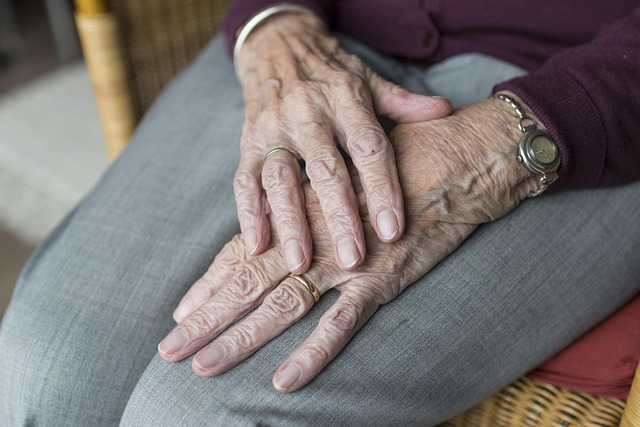
Isolation is a significant concern among the elderly population, with loneliness often leading to adverse mental health outcomes. The role of senior companionship in combating this issue cannot be overstated, as it offers a practical solution to one of the most pressing challenges faced by our aging society. Elderly Companion Services provide a natural and caring support system, filling a vital gap left by decreasing social interactions and shrinking support networks.
The impact of isolation on the elderly is profound. Research indicates that loneliness can increase the risk of depression, anxiety, cognitive decline, and even physical health issues. According to a study published in the Journal of Gerontology, socially isolated older adults are more likely to experience poor overall health and reduced life satisfaction. Senior companionship services step in to address these concerns by offering personalized support tailored to individual needs. These services facilitate meaningful connections, encourage social engagement, and provide emotional support—all critical elements in combating loneliness.
Practical insights from experts suggest that elderly companion services can range from regular visits by trained volunteers to more intensive care provided by professional companions. For instance, a companion might assist with daily tasks, engage in conversations, or simply be present for companionship. Such services are particularly beneficial for those living alone, as they offer not just social interaction but also a sense of security and belonging. By incorporating these services into their routines, elderly individuals can enjoy improved mental well-being, increased life satisfaction, and a reduced risk of health complications related to isolation.
Exploring Elderly Companion Services for Enhanced Mental Health

The elderly population faces unique challenges when it comes to mental well-being, with loneliness and social isolation being significant concerns. In response, Elderly Companion Services have emerged as a vital resource, offering companionship and support tailored to meet the specific needs of older adults. These services provide a much-needed solution in today’s fast-paced world, where social connections often fade with age.
Elderly Companion Services are designed to enhance the quality of life for seniors by offering personalized interaction and assistance. Professional companions engage in meaningful conversations, encourage mental stimulation through activities, and provide emotional support, all while helping with daily tasks. A study published in The Gerontologist found that individuals using companion services experienced improved mood and reduced feelings of loneliness. This is particularly crucial as social isolation has been linked to increased risks of cognitive decline and depression in older adults. By offering a listening ear and engaging company, these services naturally foster a sense of belonging and purpose, contributing to overall mental health and well-being.
For instance, many companion services specialize in providing companionship for individuals with dementia or Alzheimer’s disease. Trained companions can assist with memory-enhancing activities, engage in reminiscence therapy, and offer a calming presence during periods of confusion or agitation. This specialized care not only improves the mental state of seniors but also eases the burden on caregivers by providing much-needed respite. As the demand for Elderly Companion Services continues to grow, it is essential for professionals to stay updated with the latest research and best practices in geriatric care, ensuring that services are effective, ethical, and tailored to individual needs.
The article has highlighted the profound impact of loneliness on elderly well-being and the critical role senior companionship plays in combating isolation. By exploring various aspects, including the benefits of companionship, the importance of social interaction for mental health, and the functionality of Elderly Companion Services, we gain valuable insights into enhancing the lives of seniors. Key takeaways include the ability of companionship to reduce feelings of loneliness, improve mental health outcomes, and foster a sense of purpose. Practical next steps involve recognizing the value of implementing Elderly Companion Services, encouraging community programs that facilitate social connections, and promoting awareness about the positive impact of human interaction on elderly mental well-being. This comprehensive exploration underscores the significance of addressing loneliness in older adults, positioning senior companionship as a powerful tool for improving overall mental health.