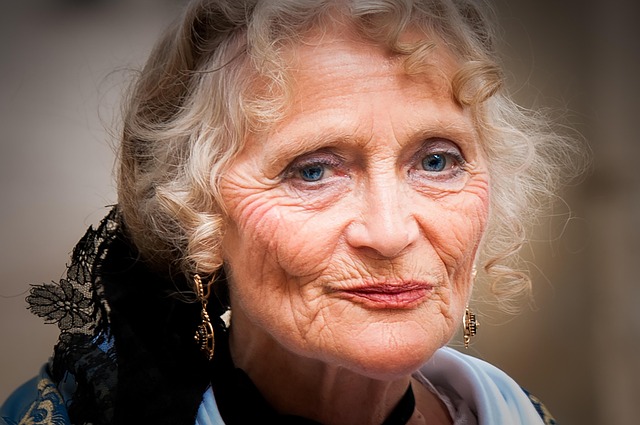
Elderly Companion Services offer a proven solution to loneliness among seniors, improving mental well-being through tailored social interaction and emotional support. A study in The Gerontologist showed significant improvements in life satisfaction. These services combat isolation, enhance cognitive function, and boost overall quality of life for at-risk elders living alone. Implementation requires identifying vulnerable individuals, recruiting companions, and partnering with senior centers, with a focus on individualized care plans and regular companion training.
The mental well-being of our elderly population is a growing concern, with loneliness and isolation exacerbating numerous health issues. The demand for effective solutions is profound, particularly as the global aging demographic continues to rise. This article delves into the critical role of senior companionship in enhancing mental health, addressing the challenges faced by the elderly. We explore how Elderly Companion Services can provide a much-needed support system, offering companionship, social interaction, and emotional support tailored to individual needs. By examining existing research and expert insights, this piece highlights the transformative power of these services in fostering resilience and overall well-being among the aging population.
- Understanding the Impact of Loneliness on Elderly Well-being
- The Role of Senior Companionship in Combating Isolation
- How Elderly Companion Services Enhance Quality of Life
Understanding the Impact of Loneliness on Elderly Well-being

Loneliness among the elderly is a growing concern, with significant implications for mental well-being. According to recent studies, older adults experiencing loneliness have higher risks of depression, cognitive decline, and even physical health issues. The impact can be profound, leading to increased hospital admissions and reduced quality of life. This phenomenon underscores the critical need for effective interventions to combat loneliness, particularly through senior companionship services.
Elderly Companion Services offer a natural solution by providing regular social interaction tailored to the unique needs of older adults. These services connect isolated individuals with trained companions who can engage in meaningful conversations, participate in leisure activities, and offer emotional support. For example, a study published in The Gerontologist found that elderly individuals with regular companionship visits reported lower levels of loneliness and improved overall life satisfaction. By fostering social connections, these services create a sense of belonging, which is essential for mental well-being as people age.
Implementing Elderly Companion Services can be a game-changer in addressing the growing issue of loneliness among the elderly. Healthcare providers, community organizations, and families can play pivotal roles in promoting such initiatives. Practical steps include identifying high-risk individuals through social services or primary care settings, recruiting and training volunteers or professionals to serve as companions, and developing partnerships with local senior centers or housing facilities. By prioritizing social engagement, these services not only mitigate loneliness but also contribute to a more holistic approach to elderly care, enhancing their overall mental well-being.
The Role of Senior Companionship in Combating Isolation

Senior companionship plays a pivotal role in combating isolation among the elderly population. In today’s fast-paced world, many older adults struggle with feelings of loneliness and disconnection due to social distancing, reduced mobility, or the loss of loved ones. Elderly Companion Services step in as a vital support system, offering more than just company; they provide an opportunity for meaningful interaction and engagement. A study by the National Institute on Aging revealed that older adults with strong social connections and regular companionship experienced lower levels of depression and anxiety, highlighting the profound impact of social support on mental well-being.
The role of a senior companion goes beyond casual conversation. They facilitate activities that stimulate both mind and body, such as walking, playing board games, or participating in community events. For instance, a companion might accompany an elderly client to a local art exhibition, fostering not only social interaction but also cognitive engagement. Moreover, companions can assist with technology, helping seniors stay connected through video calls with family and friends, thereby alleviating feelings of isolation.
Elderly Companion Services contribute significantly to the overall health and happiness of their clients. By addressing loneliness and isolation, these services promote better mental health, improved quality of life, and increased independence. Caregivers in these services are trained to understand and adapt to individual needs, ensuring that each interaction is meaningful and beneficial. Regular companionship can also lead to enhanced cognitive function, as social interactions stimulate the brain and encourage mental agility. Thus, fostering connections through senior companionship is a powerful tool in the pursuit of optimal mental well-being for the elderly.
How Elderly Companion Services Enhance Quality of Life

Elderly Companion Services play a pivotal role in enhancing the quality of life for seniors, addressing a growing need as the global population ages. These services provide not just companionship but also crucial support that allows elders to maintain their independence, dignity, and overall mental well-being. The impact is profound, especially considering the isolation and loneliness that can afflict older adults living alone. Studies show that social connections are vital for cognitive health and emotional stability in later life. Elderly Companion Services naturally fill this gap by offering regular interaction and assistance with daily tasks, thereby reducing feelings of solitude.
For instance, a study published in the Journal of Gerontological Social Work highlighted significant improvements in mental health outcomes among seniors who engaged with companion services. Participants reported reduced symptoms of depression and increased life satisfaction. This is attributed to the consistent companionship, emotional support, and gentle encouragement these services provide. Furthermore, companions can facilitate social engagement by accompanying clients to community events or simply by engaging in shared activities like reading, playing games, or doing puzzles together.
Implementing Elderly Companion Services requires a thoughtful approach. Providers should assess individual needs, including physical limitations, cognitive abilities, and personal preferences. Customized care plans that respect autonomy while ensuring safety are essential. Regular training for companions on eldercare best practices and compassionate communication ensures high-quality service delivery. By prioritizing these aspects, communities can harness the transformative power of companionship to foster a more inclusive and supportive environment for their aging populations.
The article has comprehensively explored the profound impact of loneliness on elderly well-being and underscored the critical role senior companionship plays in combating isolation among the aging population. Key insights reveal that Elderly Companion Services significantly enhance quality of life by fostering social connections, providing emotional support, and encouraging active participation in daily activities. By offering personalized care and attention, these services not only address loneliness but also promote physical health, cognitive function, and a sense of purpose for seniors. Moving forward, integrating Elderly Companion Services into community healthcare strategies is essential to ensure the holistic well-being of the elderly, recognizing their invaluable contributions while enriching society as a whole.