
Elderly Companion Services naturally combat loneliness, isolation, and depression among seniors, improving mental health and quality of life. Tailored companionship, daily support, and social engagement reduce risks of dementia and cognitive decline, enhancing independence and self-esteem. Selecting companions requires matching values, interests, and adaptability to routines, with open communication crucial for successful relationships.
As our population ages, addressing the mental health needs of the elderly has become a paramount concern. Loneliness and social isolation are significant challenges for many older adults, impacting their overall well-being. This critical issue demands tailored solutions, highlighting the growing importance of senior companionship services.
The problem is multifaceted: physical limitations, reduced mobility, and the loss of loved ones can lead to feelings of disconnection. Elderly Companion Services offer a promising avenue to combat these issues by providing personalized support, companionship, and social interaction. Through meaningful engagement, these services have the potential to enhance mental health, foster a sense of purpose, and improve the quality of life for our elders.
- Understanding the Impact of Loneliness on Elderly Wellbeing
- The Benefits of Senior Companionship Services
- Choosing the Right Elderly Companion: A Comprehensive Guide
Understanding the Impact of Loneliness on Elderly Wellbeing

Loneliness among the elderly is a growing concern, with profound implications for mental health and overall well-being. As our population ages, understanding and addressing this issue has become increasingly vital. The impact of loneliness can be devastating, leading to increased stress, anxiety, depression, and even cognitive decline. Research indicates that older adults experiencing chronic loneliness have a higher risk of developing mental health disorders, with some studies suggesting a link between social isolation and up to a 50% greater risk of dementia.
Elderly Companion Services play a crucial role in combating this issue by providing meaningful social interaction and support tailored to the unique needs of older individuals. These services offer companionship, assistance with daily activities, and opportunities for engagement that can help alleviate loneliness. For example, a companion might accompany an elderly person during walks, engage them in conversations, or participate in hobbies, thereby fostering a sense of belonging and purpose. A 2021 study published in The Gerontologist found that individuals using elderly companion services reported significant improvements in social connectedness and overall life satisfaction.
By offering personalized care and companionship, Elderly Companion Services can make a substantial difference in the lives of vulnerable seniors. This is especially important given that loneliness is often exacerbated by factors such as living alone, reduced mobility, or the loss of a spouse. Professional companions not only provide emotional support but also encourage clients to participate in social activities, maintain regular routines, and access community resources. Through these interventions, elderly companion services can help mitigate the detrimental effects of loneliness, promoting better mental health and improved quality of life for older adults.
The Benefits of Senior Companionship Services

Senior companionship services play a vital role in enhancing the mental well-being of the elderly population, offering a unique and beneficial support system tailored to their specific needs. This form of assistance is particularly crucial as individuals age, often experiencing increased loneliness, isolation, or reduced mobility. The benefits are manifold; from providing social interaction and emotional support to encouraging physical activity and cognitive engagement.
Elderly Companion Services naturally serve as a lifeline for many seniors, offering companionship that alleviates feelings of solitude. Regular visits from companions can stimulate conversations, foster a sense of belonging, and provide an outlet for sharing life stories. This is especially beneficial for those with limited mobility, as it enables them to engage socially without the challenges of transportation or physical barriers. Moreover, research suggests that social interaction and companionship significantly reduce symptoms of depression and anxiety in older adults, contributing to overall mental health and happiness.
Practical implementation involves screening and training companions who can offer not just friendship but also assistance with daily tasks. For instance, a companion might accompany an elderly individual on walks, engage in light exercise routines, or assist with simple household chores. This structured companionship not only improves physical health but also allows seniors to maintain their independence for longer periods. Case studies have shown that such services can lead to improved quality of life, increased self-esteem, and better overall mental resilience among the elderly population.
Choosing the Right Elderly Companion: A Comprehensive Guide
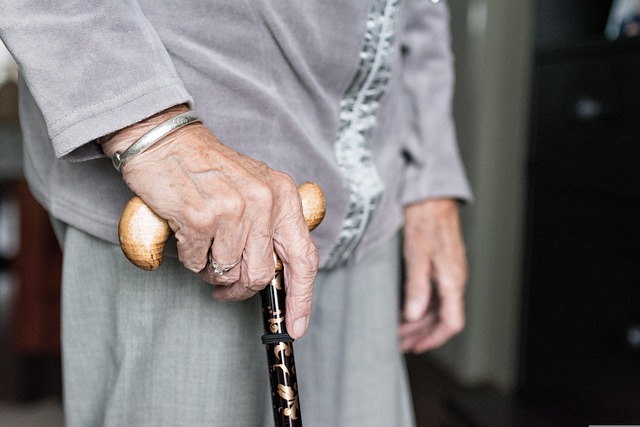
Selecting an elderly companion is a significant decision, as it can greatly impact an older adult’s mental well-being. With the growing popularity of elderly companion services, understanding what makes a suitable match is crucial. The ideal companion should not only provide companionship but also cater to individual needs and preferences. This comprehensive guide aims to illuminate key factors in choosing the right elderly companion.
First, consider the unique personality traits and interests of both parties. Compatibility goes beyond age; it involves shared values and hobbies that can foster meaningful connections. For instance, a senior who enjoys gardening could benefit from a companion who shares this passion, enabling them to engage in therapeutic activities together. Elderly companion services often assess these preferences, ensuring matches that promote active lifestyles and mental stimulation.
Another critical aspect is the companion’s ability to adapt to the senior’s routine and living environment. Companions should be flexible and understanding of any physical limitations or medical needs. They must also demonstrate empathy and patience, especially when dealing with age-related changes in behavior or cognitive abilities. A skilled elderly companion service will vet candidates based on these criteria, providing families with peace of mind. Data suggests that proper companionship can significantly reduce symptoms of depression and anxiety in older adults, highlighting the importance of a thoughtful match.
Ultimately, the selection process should involve open communication between the senior, their family, and the companion services provider. Regular feedback and adjustments ensure a harmonious relationship. By carefully considering personality compatibility, adaptability, and emotional support skills, families can enhance their loved ones’ mental well-being through the companionship they choose.
The article has comprehensively explored the profound impact of loneliness on the mental well-being of the elderly and has underscored the critical role that Senior Companionship Services play in alleviating this pressing issue. Key insights reveal that such services not only provide social interaction but also significantly enhance cognitive health, improve mood, and increase overall life satisfaction for seniors. The guide on Choosing the Right Elderly Companion offers practical steps to ensure a suitable match, emphasizing the importance of personalized care. By understanding the benefits and following a strategic approach to selection, individuals and families can harness the power of Elderly Companion Services as a transformative resource, fostering meaningful connections and promoting the mental well-being of our aging population.