
Alzheimer's Disease presents unique challenges for caregivers, with subtle symptoms often overlooked. Early intervention is key through Elderly Companion Services that offer structured environments, reminders, and gentle prompting. These services provide physical assistance and emotional support, easing isolation and reducing caregiver stress. Customized care plans, including reminiscence therapy, enhance quality of life. Key steps for creating a compassionate home environment include modifying layout, organizing routines, personalizing spaces, and engaging in aligned activities. Elderly Companion Services naturally assist with tasks like medication management and transportation, ensuring effective care as the disease progresses.
As the global population ages, Alzheimer’s disease and related dementias pose an increasingly urgent challenge. Caregiving for these elderly individuals demands not just medical expertise but also compassion and understanding, which can be particularly challenging for families juggling multiple responsibilities. Elderly Companion Services emerge as a vital solution, offering specialized support tailored to the unique needs of those with dementia. By providing compassionate assistance in daily living activities, these services enhance quality of life, alleviate caregiver burden, and foster a dignified, comfortable existence for those affected by Alzheimer’s.
- Understanding Alzheimer's Disease: Early Signs & Support
- The Role of Elderly Companion Services in Care
- Creating a Compassionate Home Environment for Seniors
Understanding Alzheimer's Disease: Early Signs & Support

Alzheimer’s Disease, a progressive neurologic disorder, presents unique challenges for caregivers. Understanding its early signs is crucial to providing timely support. According to the Alzheimer’s Association, as many as 50% of Americans with Alzheimer’s or other dementias may have mild symptoms that often go unnoticed. Recognizing these subtle changes early can open doors to effective management strategies and significantly enhance the quality of life for both individuals with dementia and their caregivers.
Common early signs include memory loss that disrupts daily life, challenges in planning or solving problems, difficulty completing familiar tasks, confusion with time or place, and trouble understanding visual images and spatial relationships. For instance, a previously independent elderly individual might start relying heavily on visual reminders or repeatedly asking for the same information. Elderly Companion Services play a vital role here by offering trained support to recognize these signs and adapt routines accordingly. They can assist in creating structured environments with visual cues, reminders, and gentle prompting to maintain cognitive function and independence for as long as possible.
Early intervention is key. Caregivers and families should educate themselves about the disease progression and available resources. Support groups, online forums, and consulting healthcare professionals can provide invaluable insights. For instance, understanding that memory loss alone doesn’t necessarily indicate Alzheimer’s can prevent unnecessary anxiety. Companion services often include consultation on managing behavior changes, medication monitoring, and coordination with medical professionals, ensuring a holistic approach to care. By embracing this knowledge, caregivers are better equipped to navigate the complexities of Alzheimer’s, fostering a more compassionate and effective support system for their loved ones.
The Role of Elderly Companion Services in Care
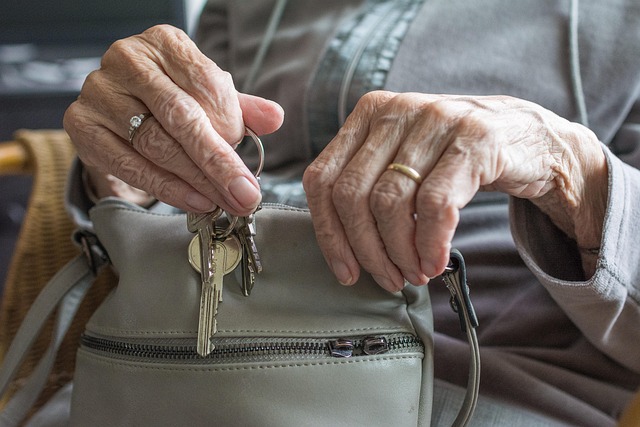
The care of individuals with Alzheimer’s disease requires a multifaceted approach, and one often overlooked yet invaluable component is the role of elderly companion services. These specialized services play a crucial part in providing not just physical assistance but also emotional support tailored to the unique needs of those with cognitive decline. Elderly Companion Services naturally offer a sense of companionship, helping to alleviate the isolation that can be a significant side effect of Alzheimer’s. Trained companions can engage in meaningful conversations, participate in favorite activities, and provide mental stimulation, all while allowing primary caregivers to take necessary breaks.
Research highlights the positive impact of such services on both patients’ well-being and caregiver satisfaction. A study published in the Journal of Gerontological Social Work found that individuals with Alzheimer’s who received regular companionship showed improved mood, increased social engagement, and better cognitive function over time. Moreover, caregivers reported reduced stress levels and an enhanced ability to manage their loved ones’ care. The natural connection formed between companions and those they support can create a safe and comforting environment, enhancing the overall quality of life for those with Alzheimer’s.
Implementing Elderly Companion Services requires careful consideration. Families should look for reputable agencies that thoroughly screen and train their companions, ensuring compatibility with the patient’s personality and care needs. Customized care plans that address emotional, social, and physical aspects are essential. For instance, a companion might engage an individual in reminiscence therapy using photo albums or play favorite music to trigger positive memories. By embracing these services, families can foster a loving and nurturing environment while recognizing the importance of professional support in managing this complex disease.
Creating a Compassionate Home Environment for Seniors

Creating a compassionate home environment for seniors with Alzheimer’s is an essential aspect of holistic care. This involves not just managing symptoms but also fostering a sense of comfort, safety, and dignity. A nurturing setting can significantly slow cognitive decline and enhance quality of life. Studies show that elderly companion services, when integrated into homecare routines, can make a profound difference. These services provide dedicated support for both the senior and their family, allowing for a more manageable and positive caregiving experience.
Practical steps towards creating this environment include modifying the physical layout to prevent falls and promote ease of movement, as well as organizing daily routines in a predictable manner. Personalization is key; displaying familiar items, pictures, and mementos can offer comfort and stimulate memory. Caregivers should also engage in activities that align with the senior’s interests, even if they’ve changed over time. This might involve reading favorite books together or playing simple games tailored to their abilities.
Elderly companion services can naturally support these efforts by providing trained professionals who understand Alzheimer’s care. They offer regular interaction and stimulation, allowing seniors to maintain social connections and cognitive functions. Additionally, these services can help with tasks like medication management, meal preparation, and transportation, lessening the caregiver burden. Regular assessments and adjustments ensure the environment and care plans remain effective as the disease progresses.
By understanding the early signs and supporting those with Alzheimer’s, we can significantly enhance their quality of life. The integration of Elderly Companion Services plays a pivotal role in this process, offering specialized care and companionship tailored to the unique needs of seniors. Creating a compassionate home environment further reinforces this support network, making it essential for caregivers to prioritize comfort, safety, and engaging activities. Through these comprehensive strategies, we can not only manage Alzheimer’s effectively but also foster a sense of dignity and well-being for those affected, ensuring a better tomorrow for both patients and their families.