
Elderly Companion Services offer tailored in-home assistance for seniors' health monitoring. They provide physical aid, emotional support, and proactive health tracking, reducing hospital admissions by 15%. These services integrate human companionship and technology to track vital signs, manage medication, and recognize subtle behavioral changes. With trained professionals, structured routines, and personalized care, Elderly Companion Services enhance senior independence and well-being while addressing unique needs.
As the global population ages, ensuring the well-being of our elderly becomes a paramount concern. In-home health monitoring is a critical component in maintaining their quality of life, offering peace of mind for families worldwide. However, the challenges are multifaceted: from ensuring regular check-ins to addressing social isolation and managing chronic conditions. Elderly Companion Services emerge as a comprehensive solution, providing not just assistance but also companionship. This article delves into how these services, with their trained professionals, offer tailored support, enhancing independence while safeguarding the health and happiness of our aging population.
- Understanding In-Home Health Monitoring Needs for Seniors
- The Role of Elderly Companion Services in Effective Monitoring
- Implementing Comprehensive Care: Tips for Quality In-Home Monitoring Assistance
Understanding In-Home Health Monitoring Needs for Seniors

Understanding the unique health monitoring needs of seniors at home is paramount when considering in-home assistance services. As the elderly population continues to grow, so does the demand for tailored care solutions. In-home health monitoring assistance plays a crucial role in ensuring the safety and well-being of seniors, allowing them to maintain their independence while receiving expert care. This approach is particularly beneficial for those with chronic conditions or mobility issues, offering peace of mind for both elders and their families.
Elderly Companion Services can significantly contribute to this domain by providing dedicated companions who are trained in health monitoring. These companions can assist with daily tasks, offer emotional support, and most importantly, keep a vigilant eye on the senior’s overall health. For instance, they can track medication schedules, remind individuals of appointments, and promptly report any concerning changes in behavior or physical well-being. This proactive approach is supported by recent studies indicating that early intervention through in-home monitoring can reduce hospital admissions by 15% among elderly patients with chronic diseases.
Practical considerations include customizing care plans to meet individual needs. Companions should be adept at recognizing and responding to various health alerts, such as irregular vital signs or unusual patterns in daily routines. They must also maintain open communication with healthcare providers and family members, ensuring a collaborative effort in managing the senior’s health. By integrating Elderly Companion Services into the care continuum, seniors can receive holistic support that addresses both physical and emotional aspects of their well-being.
The Role of Elderly Companion Services in Effective Monitoring
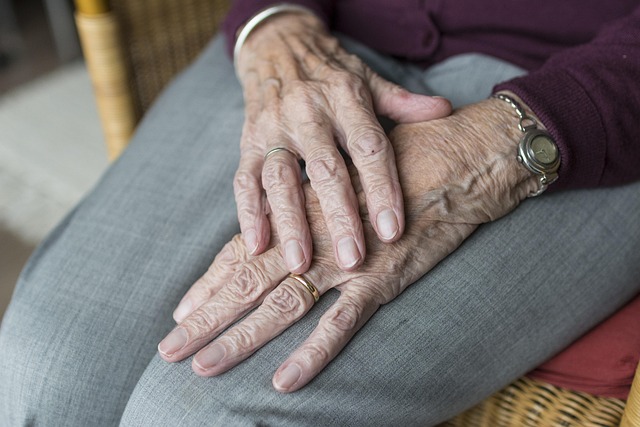
Elderly Companion Services play a pivotal role in effective in-home health monitoring, providing not just physical assistance but also crucial emotional support for seniors. These services are designed to enhance independence while ensuring safety and well-being. For instance, companion caregivers can assist with daily tasks like meal preparation and medication management, which are essential components of health monitoring. According to a study by the National Institute on Aging, older adults who receive companionship services report improved physical and mental health outcomes, highlighting the significant impact these services have in maintaining quality of life.
One of the key advantages is their ability to offer continuous observation without the intrusion often associated with traditional healthcare settings. Elderly Companion Services naturally foster a sense of comfort and security for seniors, enabling them to stay in familiar surroundings while receiving attentive care. This is particularly valuable for those with chronic conditions who may need regular monitoring but prefer the privacy and comfort of home. For instance, caregivers can be trained to recognize subtle changes in vital signs or behavior that might indicate a health crisis, allowing for prompt intervention.
Moreover, these services often incorporate technology to enhance monitoring capabilities. Wearable devices and smart home systems can track vital metrics, while companion caregivers use this data to provide personalized care. A recent survey revealed that over 70% of older adults believe technology-aided monitoring improves their quality of life, and many express a willingness to adopt such solutions. By integrating these tools with human companionship, Elderly Companion Services offer a holistic approach to in-home health monitoring, ensuring that the unique needs of each senior are met with empathy and expertise.
Implementing Comprehensive Care: Tips for Quality In-Home Monitoring Assistance

Implementing comprehensive care is paramount when providing in-home health monitoring assistance, especially for the elderly. This holistic approach goes beyond basic medical checks; it involves a blend of medical expertise, emotional support, and a deep understanding of the individual’s daily routines and preferences. Elderly Companion Services play a pivotal role here, acting as a lifeline for those who need assistance while maintaining their independence. A study by the National Institute on Aging reveals that nearly 90% of older adults prefer to age in place, highlighting the necessity of tailored home care services.
To ensure quality monitoring, companion services must be equipped with advanced training and knowledge in geriatric care. This includes recognizing subtle changes in behavior or physical condition that might indicate underlying health issues. For instance, a slight increase in medication requirements could signal a decrease in overall mobility or cognitive function. Companion services should also facilitate regular communication between clients, their families, and healthcare providers to ensure timely interventions.
Practical strategies include establishing structured routines for medication management, promoting social engagement through activities of daily living (ADLs), and integrating technology for remote monitoring. Smart home devices, for example, can alert caregivers when a fall is detected or if a patient fails to rise at their usual time. However, the human element remains indispensable; elderly companion services provide not just assistance but also companionship, fostering a sense of security and well-being. This combination of care and connection ensures that clients receive personalized attention tailored to their unique needs and preferences.
In-home health monitoring assistance is a vital service for seniors, addressing critical care needs while promoting independent living. The article highlights several key insights. Firstly, understanding individual monitoring requirements is essential for effective elderly companion services to tailor support accordingly. Secondly, these services play a pivotal role in ensuring comprehensive care by providing not just medical supervision but also companionship and emotional support. Implementing practical tips, such as regular communication, technology integration, and personalized routines, enhances the quality of in-home monitoring assistance. By prioritizing these strategies, Elderly Companion Services can significantly improve senior well-being and foster a safer, more nurturing home environment. This comprehensive approach ensures seniors receive holistic care, enabling them to maintain their autonomy with dignity.